
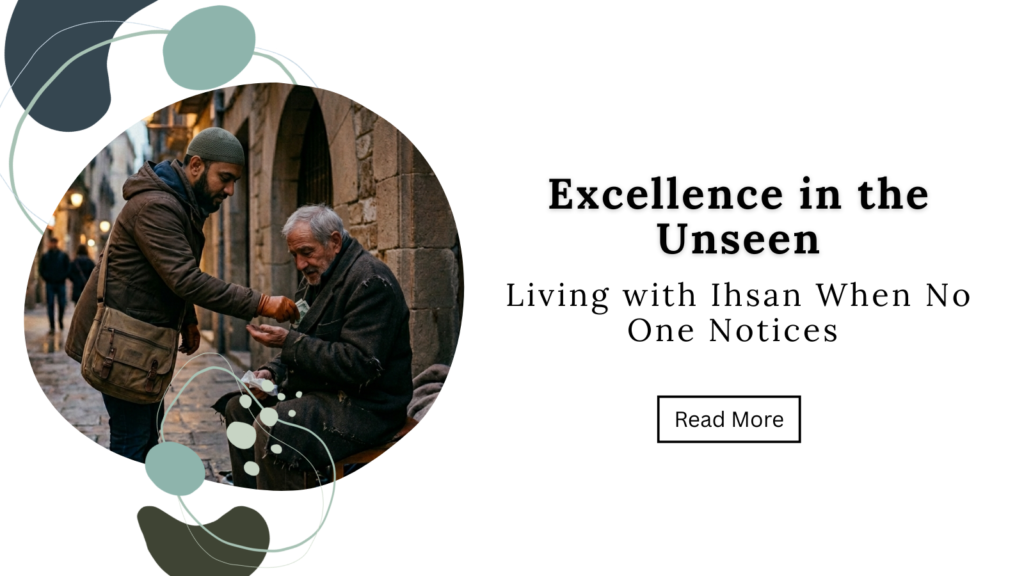
Ihsan. To worship Allah as though you see Him, and if you cannot see Him, then know that He sees you. Ihsan is a beautiful concept in Islam. It transforms your life from many relationships with many people to one relationship with the One who matters the most: Allah SWT.
And so, you begin to see your life through that framework. That before doing things for others, you internalize that you are doing it for Allah SWT first.
When you live with Ihsan, you’re focused on pleasing Allah and offering your absolute best…even when no one notices.
A person who lives with Ihsan gives from their heart and does everything with quality, effort, and care as though you are standing before Allah SWT. Whether in worship, work, or even in how you treat others, Ihsan calls you to bring your best self forward, not for people to admire, but because Allah is witnessing every detail.
Especially in the quiet, hidden moments of your day, Ihsan begins to reveal itself. It doesn’t manifest in grand, public gestures, but in the smallest, most easily overlooked choices.
It’s in the way you lower your gaze when no one is watching, the way you choose honesty when a lie would be more convenient, and the way you hold your tongue because you know Allah SWT hears every word before it even leaves your lips.
Ihsan is when you don’t cheat in school, when you don’t submit low-quality reports at work, and when you refuse to be careless in what you offer others.
It is subtle and invisible to the world, yet seen by Allah.
Ihsan is not merely a concept to be studied. It is a way of life that reshapes your inner world. You begin to realize that your life is no longer a performance for people, but a continuous, quiet turning toward Allah. With this shift, your heart begins to settle. There is less noise, less comparison, and less need to prove your worth to others. When your heart is anchored to Allah SWT, the opinions of people no longer serve as the final measure of your value.
This is where Ihsan beautifully connects with Islamic psychology. At its core, Islamic psychology is about nurturing the soul, the heart, and the nafs. It understands that a person is not just a physical being with thoughts, but a spiritual being whose heart seeks connection with its Creator. Ihsan sits right at the center of that connection.
Living with Ihsan means training your heart to be aware of Allah at all times. This awareness (muraqabah) is deeply grounding. It creates a sense of being seen, even in your most private struggles. In a world where so many feel invisible, Ihsan fills that emptiness with a powerful certainty: Allah sees my effort and Allah will reward me.
And that awareness transforms how you deal with your emotions.
Take anxiety, for example. Much of our worry comes from trying to control outcomes or fearing the judgment of others. But with Ihsan, your focus gently shifts. You begin to do what is right, with care and focus, not because you can guarantee results, but because you trust the One who controls all things.
You offer your absolute best and then you let go. That reliance (tawakkul) becomes a source of deep calm, knowing that everything you strive for is seen and acknowledged.
Ihsan is about living with awareness in how you speak, react, and think. This brings a kind of emotional regulation that modern psychology strives for. You pause and reflect with intention rather than acting on impulse. It is not about suppression, but about consciousness.
Ihsan also transforms the way you see yourself.
Many struggle with self-worth because they use unstable standards like appearance or success. Ihsan introduces a different framework: your worth is found in how sincerely you show up for Allah SWT. Suddenly, you find that your private worship and hidden efforts matter more than what is visible to the world.
Allah says in the Qur’an:
“إِنَّ اللَّهَ يُحِبُّ الْمُحْسِنِينَ”
“Indeed, Allah loves the people of Ihsan.” (2:195)
To live striving for the love of Allah gives life a depth that external validation can never provide. It builds a quiet confidence and a sense of being enough, not because you are perfect, but because you are genuinely trying sincerely for His sake.
This sincerity is at the heart of both Ihsan and psychological well-being. When your actions are purely for Allah, you are freed from the exhausting cycle of seeking approval. You no longer overthink every interaction; you simply do your best and leave the rest to Him.
Even your relationships begin to change.
When you see others through the lens of Ihsan, you become softer and more patient. You overlook faults and respond with kindness, not out of weakness, but because you are grounded in your relationship with your Creator and want to please Him.
Islamic psychology speaks of the purification of the heart as a continuous process, and Ihsan is a powerful tool in that journey. It forces you to confront your intentions and gently exposes the desire to be noticed, teaching you to let it go.
Ihsan is, at the end of the day, about refining your heart and reminding yourself that what is with Allah is better and more lasting.
And over time, something beautiful happens.
You begin to find sweetness in what is hidden.
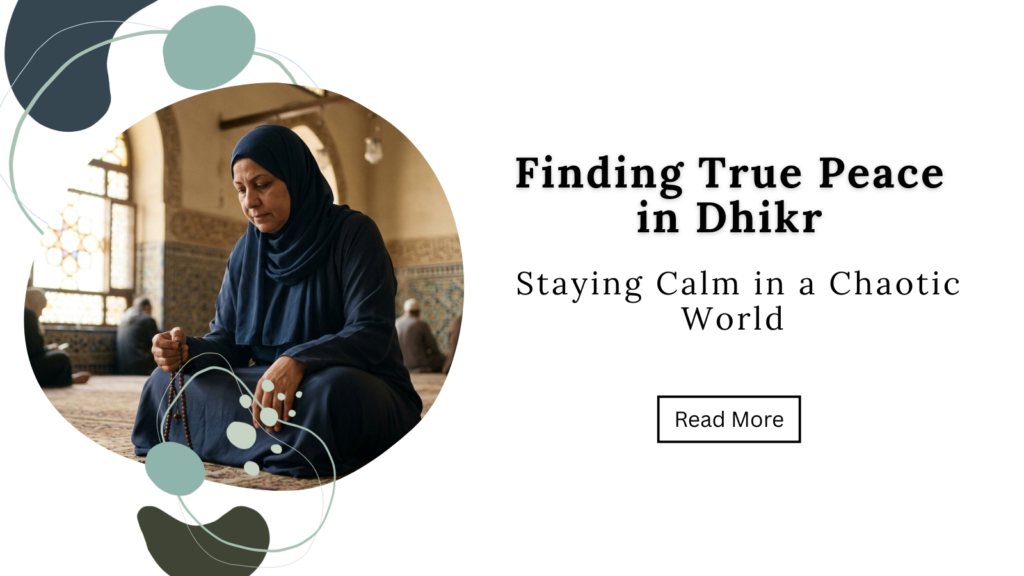
The quiet prayers in the middle of the night.
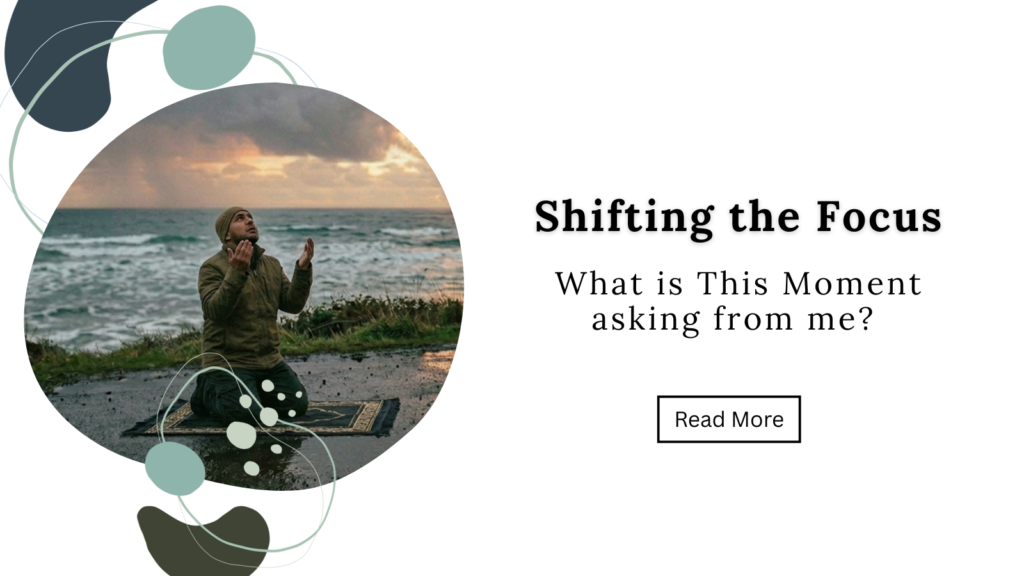
The dua you whisper when no one hears.
The good you do without ever mentioning it.
These moments start to feel more real than anything public because they are purely between you and Allah. Your heart feels light, sincere, and connected.
Even your struggles take on a different meaning.
When you are patient in hardship because you trust Allah, that becomes an act of Ihsan. When you restrain yourself from sin when no one would know, that is Ihsan. When you continue doing good despite feeling unseen, that perseverance is Ihsan.
And Allah sees all of it.
“وَمَا تُقَدِّمُوا لِأَنْفُسِكُمْ مِنْ خَيْرٍ تَجِدُوهُ عِندَ اللَّهِ”
“Whatever good you put forward for yourselves—you will find it with Allah.” (2:110)
This carries a reassurance that aligns with emotional healing. Nothing is wasted. Not your effort, your tears, or your silent battles.
So when you feel unseen, remember: being unseen by people does not mean being unseen by Allah. Perhaps those are the moments that matter most.
Living with Ihsan is not about perfection; it is about presence. It is about striving daily to bring your heart back to Allah and offer your absolute best, especially when no one is watching. Even that struggle itself, when done for His sake, becomes a part of excellence.
Because in the end, Ihsan was never about being seen. It was always about having a heart that sees Allah in everything and finds peace in knowing that He sees you, hears you, and never lets your effort go unnoticed.