

Mental health struggles affect millions of people worldwide, yet many Muslims silently battle emotional pain without knowing where to turn. This depressed Muslims guide to healing aims to provide hope, understanding, and practical solutions rooted in both faith and modern psychology.
Depression does not mean weak iman. Feeling overwhelmed, exhausted, or emotionally heavy is part of the human experience. Islam recognizes emotional hardship and provides powerful tools for healing while also encouraging professional support when needed.
For Muslims experiencing sadness, anxiety, or emotional burnout, healing often comes through a balanced approach – combining spirituality, community support, and mental health care.
Depressed Muslims Guide to Healing: Understanding Mental Health in Islam
Mental health conversations have historically been difficult within many Muslim communities. Cultural stigma sometimes causes individuals to hide depression or feel ashamed of seeking help.
However, Islam acknowledges human vulnerability.
The Quran repeatedly reminds believers that hardship is part of life:
“Allah does not burden a soul beyond what it can bear.” (Quran 2:286)
Depression can result from biological, emotional, social, or environmental factors – not simply spiritual weakness. Recognizing this helps normalize mental health struggles among Muslims.
A healthy Islamic approach promotes balance:
- Trust in Allah
- Emotional awareness
- Professional treatment when necessary
Faith and therapy are not opposites. Together, they create sustainable healing.
Islam and Emotional Wellbeing – What Faith Teaches About Mental Health
Islam strongly emphasizes emotional wellbeing. Even prophets experienced deep sadness and grief.
Prophet Yaqub (AS) cried intensely after losing Yusuf (AS). The Quran describes his sorrow openly, showing that emotional pain is not sinful.
Prophet Muhammad ﷺ also experienced grief during the Year of Sorrow after losing his wife Khadijah (RA) and uncle Abu Talib.
These examples teach an important lesson:
Feeling sadness does not distance a believer from Allah.
Islam encourages emotional expression through:
- Dua
- Reflection
- Patience (Sabr)
- Hope (Raja)
Understanding Islam and emotional wellbeing allows Muslims to accept emotions rather than suppress them.
Quran Guidance for Depression Healing
One of the strongest sources of comfort comes from Quranic reflection. Many verses directly address despair, fear, and emotional suffering.
This Quran guidance depression healing approach focuses on connection rather than obligation.
Helpful practices include:
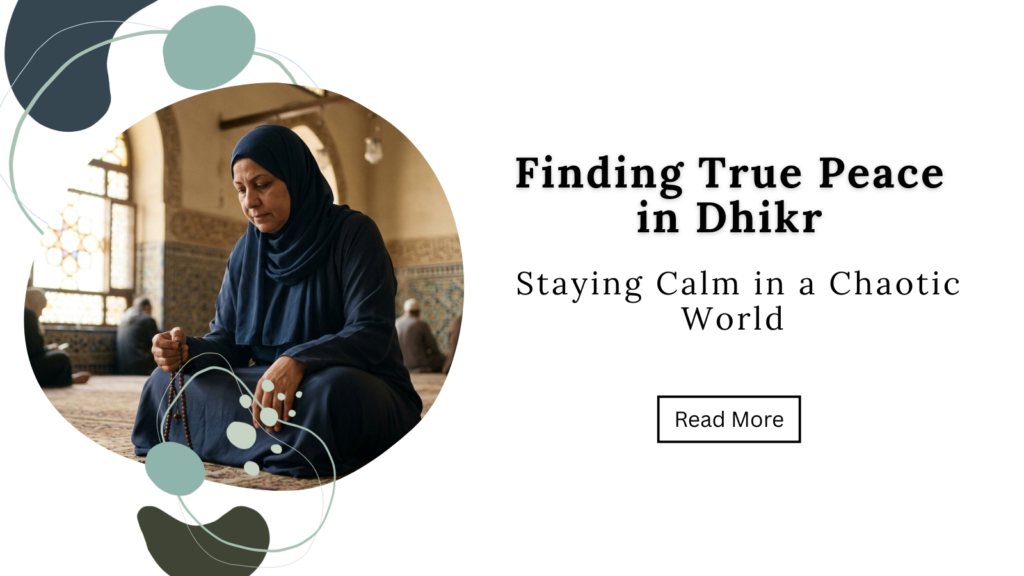
Dhikr and Remembrance
“Verily, in the remembrance of Allah do hearts find rest.” (Quran 13:28)
Repeating phrases such as:
- SubhanAllah
- Alhamdulillah
- Allahu Akbar
can calm the nervous system and reduce anxiety.
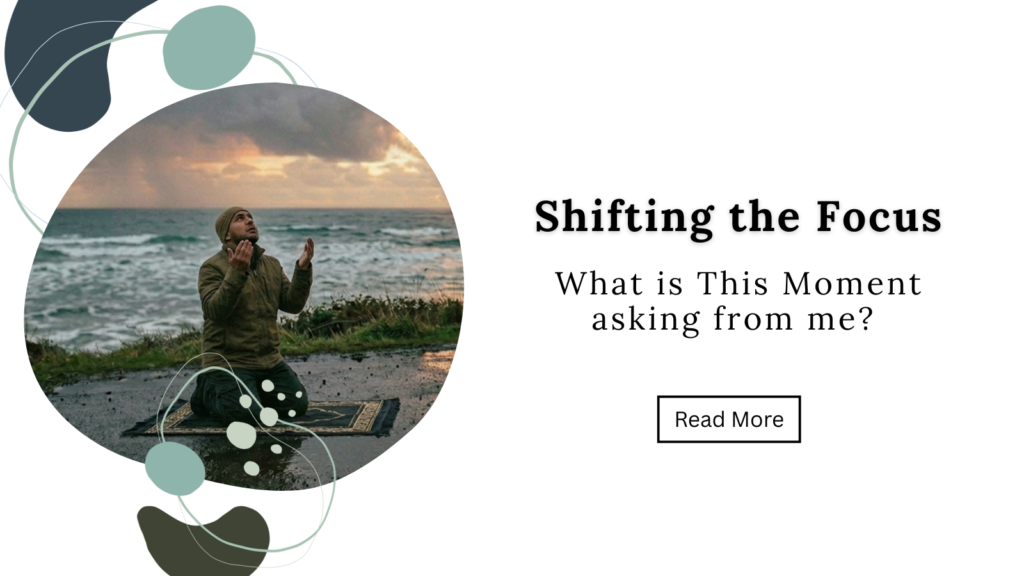
Personal Dua
Speaking honestly to Allah builds emotional release. Dua acts as spiritual therapy – allowing believers to express fears safely.
Tawakkul (Trust in Allah)
Trust does not remove hardship instantly, but it strengthens resilience during recovery.
Spiritual Healing for Depression in Islam
True healing often combines spiritual and psychological care. Spiritual healing for depression Islam focuses on restoring inner balance.
Regular acts of worship create structure and stability:
- Salah builds routine
- Fasting strengthens discipline
- Gratitude improves emotional outlook
- Charity increases purpose
Heavy Heart Islam Healing Tips
When emotional weight feels overwhelming:
- Pray even short prayers consistently
- Spend time in nature reflecting on creation
- Listen to calming Quran recitation
- Limit social comparison online
- Practice daily gratitude journaling
Community belonging also plays a major role. Isolation worsens depression, while supportive relationships promote recovery.
Islamic Depression Support and Professional Help
Seeking therapy is fully compatible with Islamic teachings.
The Prophet ﷺ said:
“Seek treatment, for Allah has not created a disease without creating a cure.”
Professional counseling helps address:
- Trauma
- Anxiety disorders
- Clinical depression
- Burnout
Today, many trusted Muslim mental health resources combine Islamic values with evidence-based therapy, including culturally aware counseling centers and Islamic psychologists.
Islamic depression support works best when spiritual care and mental health treatment complement each other.
Common misconceptions include:
- Depression equals weak faith
- Medication shows lack of trust in Allah
- Therapy replaces religion
In reality, Islam encourages using all available means for healing.
Taking ADHD Meds During Ramadan and Mental Health Considerations
Many Muslims managing mental health conditions worry about taking ADHD meds Ramadan or continuing psychiatric medication while fasting.
Islam prioritizes health and wellbeing.
Key considerations include:
- Consulting both medical professionals and scholars
- Adjusting medication schedules safely
- Understanding exemptions allowed in Islam
If fasting worsens mental or physical health, Islam permits flexibility. Preservation of life and health takes priority over hardship.
Mental health conditions deserve the same compassion as physical illnesses.
Practical Depression Healing Tips for Muslims
Daily habits play a powerful role in depression healing Islam practices.
Establish Gentle Routines
Consistency reduces emotional chaos:
- Fixed sleep schedule
- Regular meals
- Daily movement
Strengthen Social Connections
Spend time with supportive family or community members. Even small interactions reduce loneliness.
Journaling and Reflection
Write:
- Gratitude lists
- Personal duas
- Emotional reflections
Care for Physical Health
Research from WHO and peer-reviewed mental health studies confirms that sleep, nutrition, and exercise significantly impact depression recovery.
Islam itself promotes balance in eating, rest, and moderation.
Finding Hope and Recovery Through Faith and Support
Healing rarely happens overnight. Recovery is a journey requiring patience and compassion toward oneself.
A balanced path includes:
- Faith and spiritual practices
- Professional mental health care
- Supportive relationships
- Self-kindness
Remember: struggling does not make someone a bad Muslim. Often, hardship becomes the doorway to deeper faith and self-understanding.
Allah sees every silent struggle.
Final Thoughts: You Are Not Alone
If you or someone you love feels emotionally overwhelmed, reaching out for help is an act of courage – not weakness.
Speak with:
- Trusted counselors
- Mental health professionals
- Community leaders
- Islamic counseling services
Seeking help reflects strength and responsibility toward the blessing of mental health Allah has given.
Healing is possible, step by step.
FAQs
Can Muslims Seek Therapy for Depression?
Yes. Islam encourages seeking treatment for illness, including mental health conditions. Therapy can work alongside faith practices.
What Does Islam Say About Mental Health Struggles?
Islam acknowledges grief, sadness, and hardship as part of human life while encouraging patience, hope, and support.
Are Mental Health Medications Allowed During Ramadan?
Yes. Those with medical needs may adjust fasting or medication schedules after consulting doctors and scholars.
How Can the Quran Help With Depression Healing?
Quran recitation, reflection, and remembrance of Allah provide emotional comfort and spiritual grounding.
What Are the Best Muslim Mental Health Resources Available?
Islamic counseling centers, Muslim therapists, community wellness programs, and faith-based mental health organizations offer culturally sensitive support.