
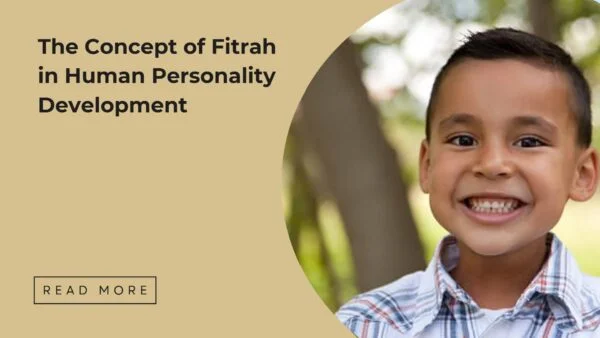
Life often raises deep questions about who we are, why we feel pulled toward good, and why wrongdoing causes inner discomfort. Islam addresses these questions through the concept of fitrah in Islam, which explains the natural state Allah created within every human being.
Fitrah is not just a belief. It is a foundation of Islamic psychology, moral awareness, and spiritual well-being. Understanding fitrah helps individuals reconnect with their purpose, strengthen faith, and restore inner balance in a confusing world.
This article explores what is fitrah in Islam, its meaning in the Quran, its role in human nature, and how nurturing fitrah can support emotional and spiritual health.
What Is the Concept of Fitrah in Islam?
The concept of fitrah in Islam refers to the innate, natural disposition with which Allah creates every human being. It is the original state of purity, truth, and recognition of God that exists before external influences shape a person.
The word fitrah comes from the Arabic root fa-ṭa-ra, meaning to create or to bring into existence. In Islamic context, fitrah represents the way Allah designed human nature.
The Prophet Muhammad ﷺ said:
“Every child is born upon fitrah, then his parents make him a Jew, a Christian, or a Magian.” (Bukhari & Muslim)
This hadith highlights a key difference between fitrah and learned behavior. Fitrah is natural and internal, while beliefs and habits are often shaped by environment, culture, and upbringing.
Fitrah Meaning: The Natural Disposition of Human Beings
The fitrah meaning natural disposition refers to an inner inclination toward truth, goodness, and belief in one Creator. Islam teaches that humans are not born sinful or morally empty. Instead, they are created with a sound moral compass.
According to Islam, human beings are:
- Naturally inclined toward honesty
- Drawn to justice and compassion
- Spiritually aware of Allah at a basic level
This is why people often feel guilt after wrongdoing and peace after doing good. The heart recognizes truth even when the mind struggles.
Fitrah is also deeply connected to belief in One God (Tawheed). The Quran teaches that recognizing Allah is part of our inner design, not something forced from outside.
Fitrah and Human Nature in the Quran
The Quran clearly explains fitrah and human nature in several verses. The most well-known is:
“So direct your face toward the religion, inclining to truth the fitrah of Allah upon which He has created mankind.”
(Surah Ar-Rum 30:30)
This verse forms the foundation of Quran fitrah verses explanation. Scholars explain that Islam aligns perfectly with human nature because it does not contradict fitrah.
Classical scholars like Ibn Taymiyyah and Al-Ghazali explained that fitrah includes:
- Recognition of truth
- Love for goodness
- Natural dislike of injustice
Islam does not overwrite human nature. Instead, it restores and protects it.
Fitrah in Islamic Psychology
In fitrah Islamic psychology, mental and emotional well-being are closely tied to living in harmony with one’s natural disposition.
When a person lives against their fitrah-through constant guilt, injustice, or spiritual neglect-it often leads to:
- Inner conflict
- Anxiety or emptiness
- Loss of purpose
Islamic psychology views humans as a balance of:
- Soul (ruh)
- Intellect (aql)
- Desires (nafs)
Fitrah acts as the stabilizing force. When nurtured, it supports emotional resilience, clarity, and inner peace. When ignored, psychological distress can increase.
This understanding is especially important in Islamic counseling and faith-based therapy.
Fitrah and Moral Intuition in Islam
Fitrah and moral intuition in Islam explain why humans instinctively know right from wrong, even before formal education.
Children naturally dislike lying.
People feel disturbed by injustice.
Kindness brings inner satisfaction.
Islam teaches that conscience is not random. It is a reflection of fitrah. Revelation (Quran and Sunnah) then guides and refines this moral intuition, especially when society distorts values.
Divine guidance does not replace conscience-it corrects it.
Innate Human Disposition in Islam vs Environment
The innate human disposition in Islam exists in everyone, but it is shaped by external influences.
Key environmental factors include:
- Family upbringing
- Cultural norms
- Media and education
- Social pressures
A supportive environment nurtures fitrah. A harmful environment can suppress it.
Islam recognizes this reality. That is why accountability in Islam is based on both intention and knowledge. Fitrah remains present, but it can become buried under habits and beliefs.
The goal is not perfection, but realignment.
Nurturing Fitrah in Muslim Life
Nurturing fitrah in Muslim life requires conscious effort, not isolation from the world.
Practical ways include:
- Regular prayer to reconnect with purpose
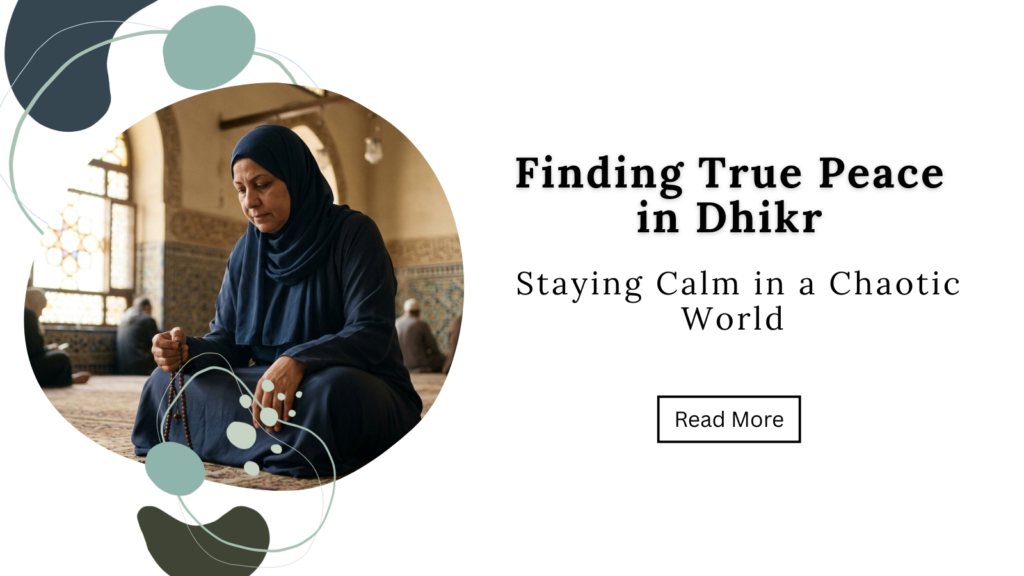
- Remembrance (dhikr) to soften the heart
- Ethical living in daily interactions
- Seeking beneficial knowledge
- Honest self-reflection
Parenting plays a major role. Children thrive when their fitrah is protected through compassion, structure, and spiritual grounding.
Communities also share responsibility by creating spaces that support faith, emotional health, and moral growth.
Reconnecting With Fitrah in Modern Times
Modern life presents real challenges to fitrah:
- Identity confusion
- Constant comparison through social media
- Materialism and burnout
- Disconnection from spirituality
Many people feel lost not because they lack intelligence or success, but because they are disconnected from their fitrah.
Returning to fitrah begins with:
- Slowing down
- Honest reflection
- Turning back to Allah
- Seeking supportive guidance
Faith-based counseling can help individuals reconnect without shame or judgment.
Conclusion: Why the Concept of Fitrah in Islam Matters Today
The concept of fitrah in Islam offers a powerful framework for understanding human nature, mental well-being, and spiritual growth.
It teaches that:
- Humans are created with dignity and purpose
- Goodness is natural, not forced
- Healing begins by returning to what is already within
In a world full of noise and confusion, fitrah provides clarity. It reminds us that peace is not found by becoming someone else, but by returning to who we were created to be.
FAQs
What Is Fitrah in Islam?
Fitrah is the natural state of purity and belief in Allah that every human is born with.
Is Fitrah the Same for All Human Beings?
Yes. Islam teaches that all humans share the same basic fitrah, regardless of background.
How Does Islam Explain Moral Awareness Through Fitrah?
Moral awareness comes from fitrah and is refined through divine guidance.
Can Fitrah Be Changed or Lost?
Fitrah cannot be erased, but it can be suppressed or neglected.
How Can a Person Return to Their Fitrah?
Through sincere faith, self-reflection, ethical living, and spiritual support.