

In today’s fast-paced and overstimulated world, many people are searching for stability, clarity, and emotional balance. Islam offers a timeless framework for achieving this through structured worship, spiritual discipline, and intentional living. These islamic habits for a peaceful mind are not temporary coping tools; they are lifelong practices designed to nurture emotional resilience and spiritual strength.
Islam does not separate mental well-being from spiritual well-being. Rather, it integrates the heart, mind, and soul into one balanced system. Through daily remembrance, prayer, gratitude, and self-reflection, a believer can cultivate deep inner calm-even in the face of stress and uncertainty. Consistent Islamic routines provide structure, purpose, and emotional grounding, helping individuals navigate anxiety, distractions, and modern pressures with faith-based confidence.
Islamic Habits for a Peaceful Mind: A Practical Guide
Emotional and spiritual well-being in Islam begins with connection to Allah. The Quran repeatedly reminds believers that true peace comes from remembrance and trust in Him. Allah says:
“Verily, in the remembrance of Allah do hearts find rest.” (Quran 13:28)
This verse forms the foundation of Islamic habits for a peaceful mind. Peace is not dependent on external circumstances-it is cultivated internally through faith and consistency.
Islam encourages routine acts of worship that stabilize emotions. Five daily prayers anchor the day. Dhikr (remembrance) calms racing thoughts. Gratitude shifts focus from scarcity to abundance. Reflection strengthens awareness and purpose. Together, these practices create a spiritual rhythm that protects mental health.
Daily Islamic Habits for Peace and Emotional Stability
One of the most effective daily Islamic habits for peace is structured worship. Salah (prayer) interrupts stress cycles and reconnects the heart with its Creator five times a day. It creates sacred pauses in a busy schedule, allowing the mind to reset.
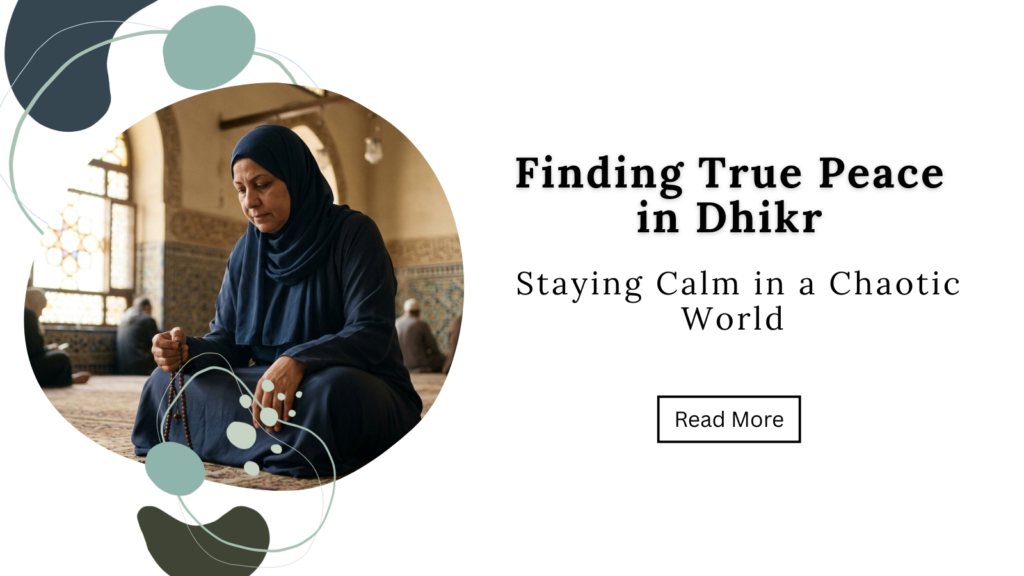
Dhikr-simple phrases like SubhanAllah, Alhamdulillah, and Allahu Akbar-has powerful emotional benefits. Repeating these phrases slows breathing, regulates thoughts, and reminds the believer of divine control over all affairs.
Gratitude (shukr) is another transformative practice. The Prophet Muhammad ﷺ taught that whoever is grateful for little will be granted more. Psychologically, gratitude rewires the brain to focus on blessings rather than problems.
Reflection (muhasabah) at the end of the day allows a person to evaluate intentions and actions. This self-awareness reduces guilt, improves accountability, and strengthens emotional balance.
Building Inner Peace Through Islamic Routine
Consistency reduces anxiety. When a person establishes a spiritual structure, uncertainty becomes less overwhelming. Developing inner peace through Islamic routine means committing to small, repeatable habits-like reading a few verses of Quran daily or maintaining morning and evening adhkar.
Routine builds discipline. Discipline builds confidence. Confidence reduces fear. Over time, these habits train the heart to rely on Allah rather than fluctuating circumstances.
Islamic Habits for Mental Peace in a Modern World
Today’s world is filled with distractions-social media overload, constant comparison, and endless notifications. Islam provides grounding principles that protect mental clarity.
Islamic habits for mental peace include guarding time, setting intentions (niyyah), and practicing tawakkul (trust in Allah). When actions are rooted in sincere intention, even mundane tasks become acts of worship. This transforms daily life into meaningful engagement rather than chaotic busyness.
Tawakkul reduces overthinking. A believer works hard but understands that outcomes are in Allah’s control. This balance between effort and surrender prevents burnout and emotional exhaustion.
Digital boundaries are also part of modern Islamic discipline. Limiting harmful content, avoiding comparison culture, and prioritizing real-world worship help preserve mental well-being.
Good Islamic Habits for a Calm Heart
A calm heart is nurtured through purification (tazkiyah). Islam emphasizes removing spiritual diseases such as envy, arrogance, and resentment because they disturb inner peace.
Practicing good Islamic habits for calm heart includes:
- Sabr (patience): Accepting tests without losing hope.
- Shukr (gratitude): Recognizing blessings consistently.
- Forgiveness: Releasing resentment to free the heart.
- Avoiding comparison: Trusting Allah’s unique plan for oneself.
When the heart is cleansed of negativity, emotional balance follows naturally. The Prophet ﷺ said that in the body there is a piece of flesh-if it is sound, the whole body is sound; if it is corrupt, the whole body is corrupt. That piece is the heart (Bukhari & Muslim).
Sunnah Habits for Peace of Mind
The life of Prophet Muhammad ﷺ offers timeless guidance. Adopting Sunnah habits for peace of mind brings both spiritual reward and emotional stability.
These include:
- Morning and evening adhkar
- Moderation in eating and sleeping
- Smiling and showing kindness
- Maintaining family ties
- Performing voluntary prayers (Tahajjud, Duha)
The Prophet ﷺ lived simply, avoided excess, and trusted Allah completely. Emulating his balanced lifestyle reduces anxiety and increases emotional clarity.
Islamic Mindfulness Practices for Everyday Life
Modern psychology speaks about mindfulness, but Islam has long encouraged conscious awareness of Allah in every action.
Islamic mindfulness practices include:
- Muraqabah: Being aware that Allah sees and knows all.
- Tafakkur: Reflecting deeply on creation and life events.
- Khushu in prayer: Focusing fully during salah.
These practices slow down mental chaos. When a person becomes spiritually aware, distractions lose their intensity.
Mindfulness in Islam is not empty meditation-it is purposeful reflection rooted in divine remembrance. This connection fosters psychological calm and resilience.
Peace and Tranquility Islam Habits Encourage
The Quran emphasizes that faith-based resilience leads to emotional strength. The phrase peace and tranquility Islam habits captures the essence of Islamic spiritual training.
Allah reassures believers that trials are temporary and that patience brings reward. When hardship is understood as a test rather than punishment, stress transforms into growth.
Islamic habits encourage:
- Regular dua (supplication)
- Strong community ties
- Seeking knowledge
- Serving others
These habits create a support system that protects against loneliness and despair. Faith becomes a source of empowerment rather than pressure.
How Sakeena Institute Can Support Your Journey
Developing Islamic habits for a peaceful mind is a journey, and sometimes guidance is needed. At Sakeena Institute, faith-based counseling integrates Islamic principles with psychological understanding to support emotional healing.
Whether someone is struggling with anxiety, identity challenges, spiritual doubts, or life transitions, structured support can help restore clarity. Through Islamic psychology programs, counseling sessions, and educational resources, individuals can learn how to apply spiritual tools effectively in daily life.
Seeking help is not a sign of weak faith-it is a sign of wisdom and responsibility toward one’s well-being.
Final Thoughts: Begin Your Journey Toward Peace
True peace does not come from eliminating life’s challenges-it comes from strengthening the heart to face them with faith. By incorporating islamic habits for a peaceful mind into daily life, anyone can cultivate stability, resilience, and emotional clarity.
If you are seeking structured guidance, compassionate support, or Islamic counseling rooted in authentic teachings, consider reaching out. A peaceful heart is possible-and the journey can begin today.
FAQ Section
What Are the Best Islamic Habits for a Peaceful Mind?
The most effective habits include consistent salah, daily dhikr, gratitude journaling, Quran recitation, and practicing tawakkul. Small, consistent actions create lasting emotional stability.
How Do Daily Islamic Habits Improve Mental Health?
Daily Islamic habits for peace provide structure, reduce uncertainty, and strengthen spiritual connection. This combination lowers anxiety and enhances emotional resilience.
What Sunnah Practices Help Reduce Anxiety?
Morning and evening adhkar, voluntary prayers, moderation in lifestyle, and sincere dua are powerful Sunnah habits for peace of mind that calm the heart.
Can Islamic Mindfulness Practices Help with Stress?
Yes. Islamic mindfulness practices like muraqabah and tafakkur increase awareness and reduce mental overload by grounding the believer in remembrance of Allah.
How Long Does It Take to Build Inner Peace Through Islamic Routine?
Inner peace through Islamic routine develops gradually. Consistency over weeks and months strengthens emotional discipline and deepens spiritual calm.