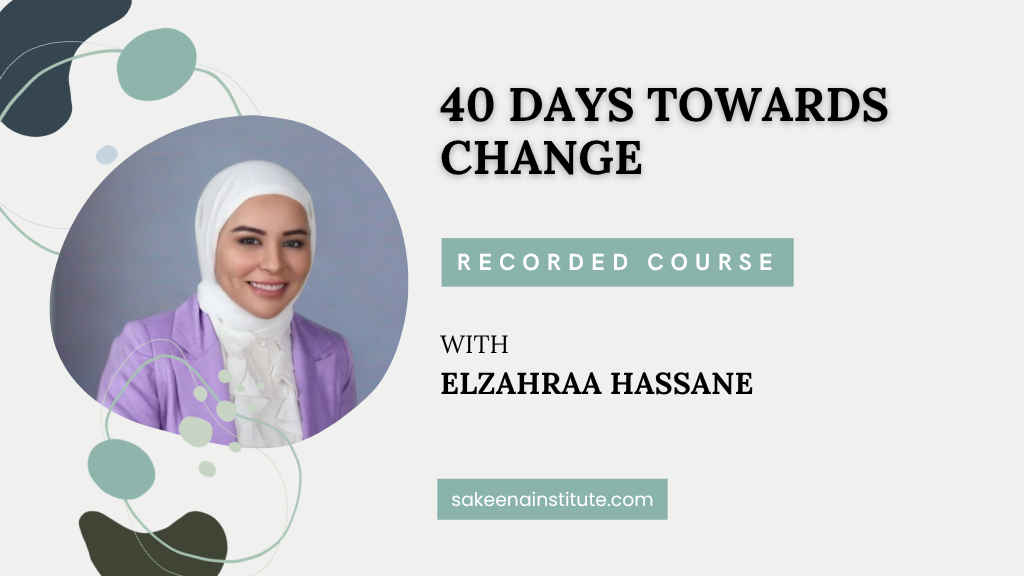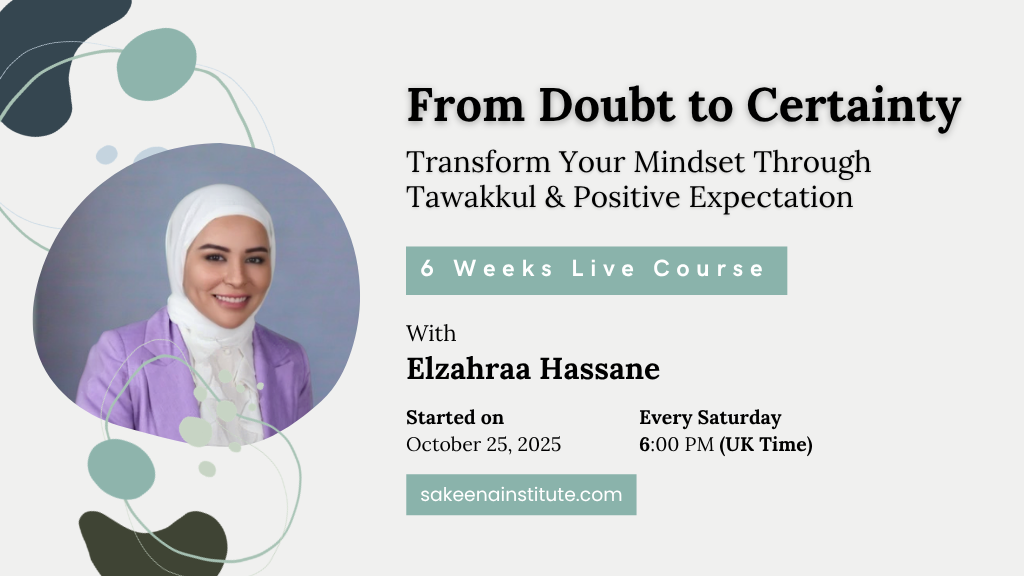


In recent years, conversations about mental health have become more open, and many Muslims are rediscovering how faith can support emotional wellbeing. Elzahraa Hassane, founder of Sakeena Institute, has dedicated her work to helping individuals reconnect with Islamic teachings while addressing modern psychological challenges. Her approach highlights how Islamic knowledge and emotional healing can work together to nurture the heart and mind.
When discussing anxiety in the Quran: mental health in Islam, it becomes clear that the Quran acknowledges the emotional struggles that human beings face. Feelings of worry, fear, and distress are part of the human experience. Rather than ignoring these emotions, Islamic teachings provide guidance, reassurance, and spiritual tools that help believers navigate difficult moments with patience, faith, and hope.
Through the Quran and prophetic teachings, Muslims are encouraged to seek inner balance, strengthen their connection with Allah, and develop resilience in the face of life’s challenges. Platforms like Sakeena Institute aim to support this journey by combining spiritual wisdom with modern understandings of emotional health.
Understanding Anxiety Through the Lens of Islamic Teachings
From an Islamic perspective, emotional struggles are not signs of weak faith; they are part of the human condition. Prophets themselves experienced moments of grief, worry, and hardship. The Quran repeatedly reminds believers that trials are part of life and that patience and trust in Allah provide the foundation for emotional strength.
Islam teaches that anxiety can arise when the heart becomes overwhelmed by uncertainty or fear of the future. However, through remembrance of Allah, reflection on divine wisdom, and maintaining hope in Allah’s mercy, individuals can find peace even during times of distress.
These teachings create a compassionate framework for understanding emotional pain. Rather than dismissing anxiety, Islam encourages believers to seek both spiritual and practical ways to restore balance and calm within the heart.
Quran Verses About Anxiety and Emotional Struggles
Many Quran verses about anxiety provide comfort and reassurance for those experiencing stress, fear, or emotional difficulty. These verses remind believers that Allah understands their struggles and offers guidance for finding peace.
One powerful example appears in Surah Al-Baqarah (2:286):
“Allah does not burden a soul beyond what it can bear.”
This verse reassures believers that the challenges they face, including emotional struggles, are never beyond their capacity to endure. It encourages resilience and trust in Allah’s wisdom.
Another comforting verse is found in Surah Ar-Ra’d (13:28):
“Verily, in the remembrance of Allah do hearts find rest.”
This verse highlights the importance of dhikr (remembrance of Allah) in calming the heart. Spiritual remembrance can reduce emotional tension and create a sense of inner tranquility.
Similarly, Surah Ash-Sharh (94:5–6) offers hope during difficult times:
“Indeed, with hardship comes ease. Indeed, with hardship comes ease.”
These verses emphasize that periods of anxiety and hardship are temporary. They remind believers that relief and ease follow difficulty, reinforcing a message of hope and perseverance.
Together, these passages demonstrate how the Quran provides profound Quran guidance on anxiety, encouraging believers to trust in divine wisdom while nurturing patience and resilience.
Quran Guidance on Anxiety and Inner Peace
Islam provides several spiritual practices that help believers cope with emotional distress and cultivate inner peace. These practices form the foundation of Quran mental health healing, offering both spiritual comfort and psychological stability.
One of the most important concepts is tawakkul, or complete trust in Allah. Tawakkul does not mean ignoring challenges but rather placing confidence in Allah’s plan while continuing to take responsible action.
Another essential principle is sabr, or patience. The Quran repeatedly praises those who remain patient during hardships. Patience allows individuals to endure emotional struggles while maintaining faith that relief will eventually come.
Dhikr, the remembrance of Allah, also plays a central role in calming anxiety. Simple phrases such as SubhanAllah, Alhamdulillah, and Allahu Akbar help shift attention away from worry and toward gratitude and spiritual awareness.
Prayer (salah) also provides emotional grounding. The daily rhythm of prayer allows believers to pause, reflect, and reconnect with their Creator, bringing moments of calm during stressful situations.
Through these practices, the Quran offers practical tools that support emotional resilience and spiritual wellbeing.
Islamic Psychology and Anxiety: Understanding the Heart and Mind
The field of islamic psychology anxiety explores how Islamic teachings explain emotional experiences through the interconnected dimensions of the human self.
Islamic psychology often refers to three key concepts: qalb, nafs, and ruh.
The qalb, or heart, is considered the center of spiritual awareness. When the heart is connected to Allah through remembrance and reflection, it experiences peace and clarity. However, when it becomes overwhelmed by worldly worries, emotional distress may arise.
The nafs, or self, represents the internal struggle between desires and discipline. Anxiety may sometimes stem from this inner tension, particularly when individuals feel conflicted about their choices or direction in life.
The ruh, or soul, represents the spiritual essence that connects human beings to their Creator. Nurturing the soul through faith, prayer, and spiritual reflection strengthens emotional resilience.
By understanding these dimensions, Islamic psychology offers a holistic perspective on mental health that integrates spiritual awareness with emotional wellbeing.
Islam and Anxiety Coping Through Faith-Based Practices
For many believers, faith plays an essential role in islam and anxiety coping. Islamic practices encourage mindfulness, gratitude, and reflection, all of which can reduce emotional distress.
One important method of dealing anxiety faith islam emphasizes the power of dua (supplication). Through dua, individuals express their fears, worries, and hopes directly to Allah, creating a sense of emotional release and spiritual comfort.
Reflecting on Quran verses about anxiety can also bring reassurance during difficult moments. These verses remind believers that they are never alone and that Allah’s guidance is always available.
Another powerful practice is cultivating gratitude. The Quran encourages believers to recognize the blessings in their lives, even during hardship. Gratitude shifts attention away from worry and toward appreciation, promoting emotional balance.
Together, these practices demonstrate how Islamic faith can provide practical tools for managing anxiety while strengthening spiritual connection.
Islamic Counseling and Anxiety Support
Modern mental health care increasingly recognizes the importance of culturally and spiritually sensitive approaches to therapy. Islamic counseling and anxiety support combine psychological understanding with Islamic teachings, creating a framework that resonates deeply with Muslim clients.
Faith-based therapy may include exploring Quranic principles, discussing spiritual struggles, and helping individuals reconnect with their faith while addressing emotional challenges.
Community support also plays an important role. Trusted mentors, scholars, and counselors can offer guidance that aligns with Islamic values while supporting personal growth and healing.
Institutions such as Sakeena Institute help bridge the gap between modern psychology and traditional Islamic knowledge. Through structured programs and counseling services, they provide safe spaces where individuals can address anxiety while strengthening their spiritual identity.
Sakeena Institute Is Here to Support Your Healing
Experiencing anxiety or emotional distress does not mean a person lacks faith. Islam recognizes that life includes challenges, and seeking support is both encouraged and beneficial.
Faith-based counseling and Islamic psychology offer powerful tools for restoring balance and nurturing emotional wellbeing. Through reflection on Quranic teachings, spiritual practices, and compassionate guidance, individuals can learn to navigate anxiety while strengthening their relationship with Allah.
Final CTA
If you or someone you love is struggling with anxiety, know that help and guidance are available. Faith-centered counseling can provide both emotional support and spiritual direction.
Learn more about compassionate, faith-based support by visiting:
https://sakeenainstitute.com/
FAQ
What Does the Quran Say About Anxiety and Worry?
The Quran acknowledges that humans experience fear, sadness, and worry. It provides reassurance through verses that emphasize trust in Allah, patience during hardship, and the promise that ease follows difficulty.
Which Quran Verses Help With Anxiety?
Several verses offer comfort, including Surah Al-Baqarah (2:286), Surah Ar-Ra’d (13:28), and Surah Ash-Sharh (94:5–6). These passages emphasize trust in Allah and remind believers that relief follows hardship.
How Can Islam Help With Anxiety Coping?
Islam encourages spiritual practices such as prayer, dhikr, dua, and reflection on Quranic teachings. These practices promote mindfulness, patience, and trust in Allah’s plan.
What Is the Islamic Psychology Approach to Anxiety?
Islamic psychology views emotional distress through the interconnected dimensions of the heart (qalb), self (nafs), and soul (ruh). By nurturing spiritual awareness and discipline, individuals can develop emotional resilience.
Can Islamic Counseling Help With Anxiety?
Yes. Islamic counseling integrates modern psychological methods with Islamic principles, offering culturally and spiritually relevant support for individuals experiencing anxiety and emotional challenges.