
Mental health challenges are rising globally, and Muslim communities are not immune. The role of mosques in Muslim mental health support has become increasingly important as communities seek culturally sensitive, faith-based approaches to emotional wellbeing. Institutions such as Sakeena Institute have highlighted how spiritually grounded community spaces can play a transformative role in addressing emotional and psychological needs.
While mosques have traditionally been seen as places of worship, they also function as centers for guidance, education, and social connection. Today, they are uniquely positioned to provide spiritual reassurance, reduce stigma around mental illness, and connect individuals with professional care when needed.
Across many communities, mosques are evolving into holistic support systems-serving not only spiritual needs but also emotional and psychological ones.
Islamic Centers and Muslim Mental Health Support
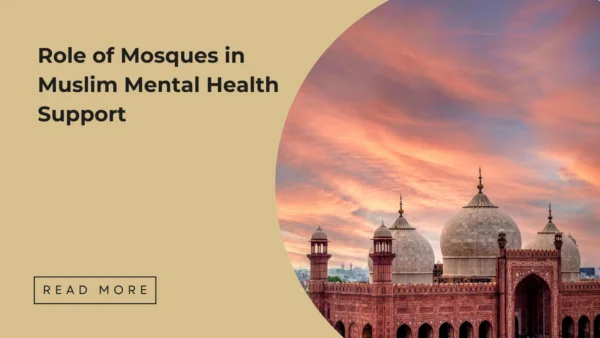
Mosques have always been more than prayer spaces. Historically, they served as centers of learning, dispute resolution, social welfare, and community cohesion. In modern contexts, the role of mosques in Muslim mental health support includes creating safe environments where individuals can seek guidance without fear of judgment.
Faith plays a powerful role in coping with stress, anxiety, and life transitions. For many Muslims, spiritual practices such as salah (prayer), dhikr (remembrance), and dua (supplication) are deeply connected to emotional regulation and resilience. When mosques intentionally integrate mental health awareness into their programming, they become trusted hubs for both spiritual and psychological wellbeing.
By offering sermons that address mental health openly, hosting workshops, and collaborating with professionals, mosques can normalize conversations around depression, trauma, grief, and identity struggles.
Mosque Community and Mental Wellbeing
A strong mosque community and mental wellbeing go hand in hand. One of the most protective factors against mental health struggles is a sense of belonging. Regular mosque attendees often experience structured social interaction, shared purpose, and collective worship-all of which reduce feelings of isolation.
Brotherhood and sisterhood circles, youth halaqas, and community iftars foster meaningful relationships. For converts, immigrants, and young Muslims navigating identity challenges, the mosque community can provide emotional grounding and social reassurance.
Loneliness has been linked to increased anxiety and depression. By creating welcoming and inclusive spaces, mosques actively strengthen emotional resilience within the community.
Mental Health Support Through Mosques
Formal mental health support through mosques is growing worldwide. Many mosques now offer:
- Confidential pastoral counseling sessions
- Marriage and family mediation
- Youth mentorship programs
- Support groups for grief or addiction recovery
- Referrals to licensed therapists
These structured systems ensure that individuals are not left to struggle alone. Importantly, mosques can act as bridges-connecting community members with professional mental health services while maintaining spiritual guidance.
Islamic Mental Health Community Resources
The development of Islamic mental health community resources is a significant step forward. Some mosques partner with Muslim psychologists, social workers, and psychiatrists who understand both clinical frameworks and Islamic values.
These collaborations allow communities to host mental health clinics, referral networks, and educational seminars rooted in Islamic ethics. Faith-sensitive therapy can help individuals reconcile spiritual concerns with psychological treatment, reducing hesitation around seeking professional help.
The Role of Imam in Mental Health Support
The role of imam in mental health support is central. Imams often serve as first responders when individuals face emotional crises. Community members frequently approach them for advice regarding marital issues, grief, faith doubts, or stress.
Imams provide pastoral counseling grounded in Qur’anic guidance and Prophetic traditions. However, it is important to differentiate between spiritual counseling and clinical therapy. While imams offer moral and spiritual direction, complex conditions such as major depression, PTSD, or severe anxiety disorders require professional intervention.
Training programs that equip imams with mental health literacy can significantly improve early detection and referral processes.
Mosque Counselors and Muslim Mental Health
An increasing number of institutions now include mosque counselors and Muslim mental health professionals within their teams. These trained counselors operate either on-site or through affiliated clinics.
Collaboration between mosque leadership and Muslim psychologists ensures:
- Cultural competence
- Faith integration in therapy
- Reduced stigma
- Better trust and engagement
This partnership model strengthens both prevention and intervention strategies.
Mosque Mental Health Workshops and Educational Programs
Educational outreach plays a vital role in reducing stigma. Mosque mental health workshops often include:
- Friday khutbahs addressing anxiety and depression
- Parenting seminars on youth emotional wellbeing
- Trauma-awareness training
- Suicide prevention awareness sessions
When respected scholars speak openly about mental health, it shifts community attitudes. Workshops provide practical coping tools while reinforcing that seeking help aligns with Islamic teachings.
Normalizing conversations helps dismantle harmful myths such as “strong faith means no depression” or “mental illness is a sign of weak iman.”
Mosque and Psychological Wellbeing in Modern Communities
The connection between mosque and psychological wellbeing is especially relevant today. Modern Muslim communities face unique pressures, including:
- Identity conflicts
- Islamophobia
- Social media comparison culture
- Academic and career stress
- Intergenerational cultural gaps
Mosques can offer safe spaces where youth and adults alike feel understood. Support groups, youth circles, and mentorship programs help individuals navigate anxiety, depression, and identity struggles within a faith-based framework.
By integrating mental health literacy into religious education, mosques foster balanced, resilient individuals.
Strengthening Muslim Community Support for Mental Wellness
True progress requires collective responsibility. Muslim community support mental wellness initiatives should include leaders, families, educators, and healthcare professionals.
Community-based prevention efforts may involve:
- Early intervention programs
- Marriage preparation courses
- Peer support circles
- Accessible referral systems
- Collaboration with public health organizations
When communities prioritize compassion over judgment, they create environments where individuals feel safe asking for help.
The mosque, as a central gathering place, can lead these efforts by modeling empathy, inclusion, and proactive care.
Conclusion – Building Holistic Support Systems Through Mosques
The evolving role of mosques in Muslim mental health support reflects a broader understanding of Islam as a holistic way of life-one that addresses spiritual, emotional, and psychological wellbeing together.
By strengthening mosque programs, empowering imams with mental health training, partnering with professionals, and reducing stigma, communities can build sustainable support systems. Organizations such as Sakeena Institute continue to emphasize the importance of integrated, faith-based mental health initiatives that support individuals at every stage of life.
If you or someone you know is struggling, consider reaching out to your local mosque, an Islamic counseling service, or a trusted mental health professional. Seeking help is not a sign of weakness-it is a step toward healing and balance.
FAQs
How Do Mosques Support Mental Health in Muslim Communities?
Mosques provide spiritual guidance, community belonging, workshops, and referral networks that connect individuals with professional care.
What Is the Role of an Imam in Mental Health Counseling?
Imams offer pastoral counseling and spiritual advice while referring complex clinical cases to licensed professionals.
Can Mosques Provide Professional Mental Health Services?
Some mosques collaborate with trained counselors and psychologists to provide culturally sensitive therapy or referral systems.
How Do Mosque Mental Health Workshops Reduce Stigma?
Workshops normalize conversations about anxiety, depression, and trauma, helping communities understand that mental health challenges are not spiritual failures.
Why Is Community Important for Muslim Psychological Wellbeing?
Strong community bonds reduce isolation, increase emotional resilience, and provide social support during difficult times.