
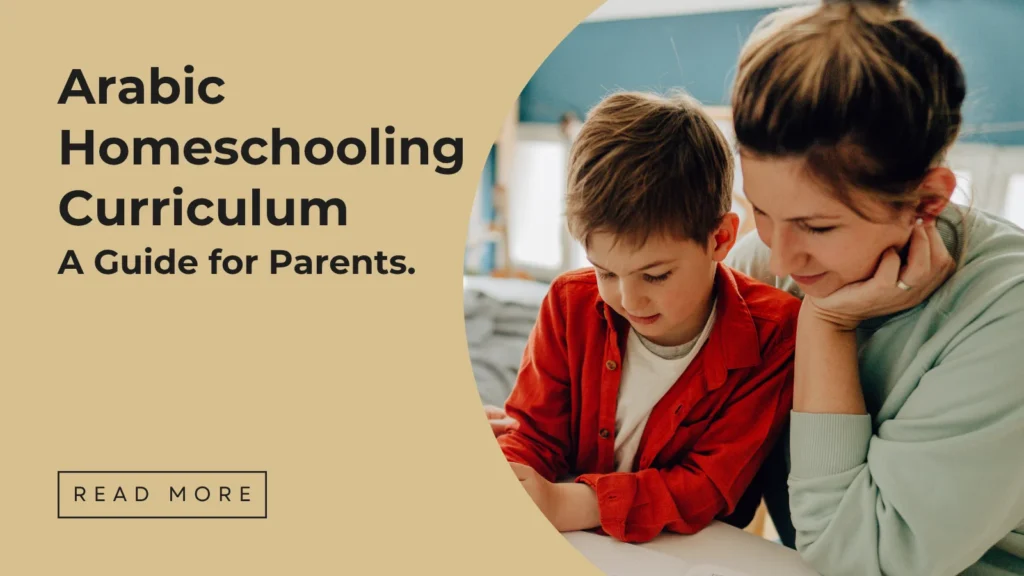
Founded with a vision to nurture strong Muslim families through authentic Islamic education, Elzahraa Hassane has inspired many parents to take a more active role in their children’s learning journey. Choosing the right arabic homeschool curriculum for kids can feel overwhelming, especially when you want something structured, engaging, and rooted in faith. For many families, homeschooling Arabic is not just about language it’s about identity, connection to the Qur’an, and building confidence in Islamic values from an early age. This guide provides a clear Islamic homeschool curriculum overview and practical advice to help you make the best decision for your child.
What Is an Arabic Homeschool Curriculum for Kids?
An arabic homeschool curriculum for kids is a structured educational plan designed to teach children the Arabic language at home. It often integrates reading, writing, listening, and speaking skills while incorporating Islamic studies to strengthen faith and character.
Many Muslim families choose an Arabic-focused approach because Arabic is the language of the Qur’an. Understanding it allows children to connect more deeply with their prayers, duas, and Islamic heritage. A well-designed program doesn’t only teach vocabulary-it builds comprehension, fluency, and love for the language.
An effective curriculum typically includes:
- Progressive lesson plans
- Age-appropriate activities
- Islamic context and values
- Assessment tools for tracking progress
This foundation ensures children learn with clarity and purpose.
Key Components of a Strong Arabic Homeschooling Curriculum
A high-quality Arabic homeschooling curriculum should be structured, balanced, and adaptable to different learning styles.
Language Foundations – Reading, Writing, and Speaking
Strong programs begin with:
- Arabic alphabet recognition
- Phonics and pronunciation (Makharij)
- Basic vocabulary building
- Sentence formation
- Conversational practice
Children should gradually move from letter recognition to reading short passages and engaging in simple dialogue. Interactive exercises, repetition, and visual aids strengthen retention.
Quranic Arabic vs. Modern Standard Arabic
Parents should understand the difference between:
- Quranic Arabic – Focused on understanding the Qur’an and classical texts.
- Modern Standard Arabic (MSA) – Used in books, media, and formal communication.
Some arabic homeschooling programs focus primarily on Quranic comprehension, while others balance both. Ideally, a curriculum aligns with Islamic studies and character development, reinforcing adab (manners), faith, and moral values alongside language skills.
Structured levels (Beginner, Intermediate, Advanced) ensure steady progression. Flexibility allows families to adjust pace based on the child’s age and ability.
Types of Arabic Homeschooling Programs Available
Parents today can choose from a variety of arabic homeschooling programs depending on their goals and schedules.
1. Structured Curriculum-Based Programs
These include detailed lesson plans, teacher guides, workbooks, and assessments. They provide consistency and clear milestones.
2. Flexible Learning Plans
These allow parents to customize lessons using multiple resources. Ideal for families who prefer adaptability.
3. Online-Based Programs
Many families opt for homeschool Arabic lessons online, which include live classes, recorded lessons, and digital exercises. These programs provide access to qualified teachers and interactive platforms.
4. Printable Curriculum Options
An islamic homeschool curriculum printable format offers worksheets, flashcards, and structured PDFs for offline learning. These are perfect for screen-free study sessions.
Choosing between digital and printable formats depends on your child’s learning style and your daily routine.
How to Teach Arabic at Home to Kids Effectively
Many parents wonder how to teach Arabic at home kids without formal training. The good news is that consistency and the right strategy matter more than fluency.
Practical Strategies
- Start with short, daily lessons (15-30 minutes for young kids)
- Use visual aids and storytelling
- Incorporate Arabic into daily life (labels around the house, simple phrases)
- Play Arabic nasheeds or cartoons
- Practice speaking regularly
Age-Based Approach
- Ages 4-6: Focus on alphabet recognition and sounds.
- Ages 7-10: Build reading fluency and vocabulary.
- Ages 11+: Introduce grammar and deeper Quranic comprehension.
Immersion is key. Even small, consistent exposure creates long-term retention.
Choosing the Best Arabic Curriculum for Muslim Families
Selecting the best Arab homeschooling curriculum requires thoughtful evaluation.
Criteria for Evaluation
- Authentic Islamic Content
Ensure the program reflects correct Islamic teachings and values. - Structured Lesson Plans
A clear roadmap prevents confusion and gaps in learning. - Cultural Relevance
The material should resonate with your child’s environment and identity. - Teacher Support or Guidance
Access to instructors or mentorship enhances effectiveness.
When selecting an Arabic curriculum for Muslim families, look for a program that integrates faith, language, and character development seamlessly.
Institutions like Sakeena Institute focus on faith-based education models that combine emotional development with authentic Islamic knowledge. Programs inspired by such models emphasize nurturing the whole child not just academic outcomes.
Essential Muslim Homeschool Resources to Support Arabic Learning
Strong Muslim homeschool resources can enhance your child’s Arabic journey.
Helpful tools include:
- Flashcards for vocabulary building
- Arabic storybooks with translations
- Interactive apps for pronunciation practice
- Worksheets for grammar exercises
- Audio recitations for listening skills
Combining structured curriculum with supplementary tools ensures balanced development.
Parents can also explore educational blogs, workshops, or faith-centered programs offered by organizations like Sakeena Institute, which support holistic Islamic learning environments.
Benefits of an Arabic Homeschool Curriculum for Kids
Investing in an Arabic homeschool curriculum for kids offers lifelong rewards.
Strengthens Islamic Identity
Children develop a deeper understanding of their faith and cultural roots.
Improves Quran Understanding
Comprehension transforms recitation into meaningful connection.
Builds Confidence
Language mastery empowers children socially and academically.
Enhances Cognitive Skills
Research shows bilingual education improves memory, focus, and problem-solving skills.
Beyond academics, Arabic homeschooling nurtures emotional resilience and spiritual growth.
Conclusion – Building a Strong Foundation Through Arabic Homeschooling
Choosing the right arabic homeschool curriculum for kids is about more than academics it’s about shaping identity, strengthening faith, and empowering the next generation. With structured programs, supportive Muslim homeschool resources, and consistent practice, parents can successfully guide their children toward fluency and confidence.
If you are seeking structured guidance, explore trusted arabic homeschooling programs that provide authentic Islamic education and practical teaching support. The right curriculum can transform your home into a nurturing space of knowledge, faith, and growth.
FAQs
What Is the Best Arabic Homeschool Curriculum for Beginners?
The best curriculum for beginners includes alphabet mastery, phonics, basic vocabulary, and simple sentence formation. Look for structured levels and engaging visuals.
Can I Teach Arabic at Home Without Being Fluent?
Yes. With structured lesson plans, audio support, and online teacher guidance, parents can effectively facilitate learning even if they are not fluent.
Are There Printable Islamic Homeschool Curriculum Options?
Yes. Many providers offer islamic homeschool curriculum printable resources including worksheets, activity books, and teacher guides.
How Many Hours a Week Should Kids Study Arabic at Home?
For young children, 3-5 short sessions per week are effective. Older students may benefit from 4-6 structured lessons weekly.
Are Online Arabic Homeschool Lessons Effective?
Yes. Homeschool Arabic lessons online provide access to qualified instructors, interactive tools, and structured assessments, making them highly effective when paired with parental support.