
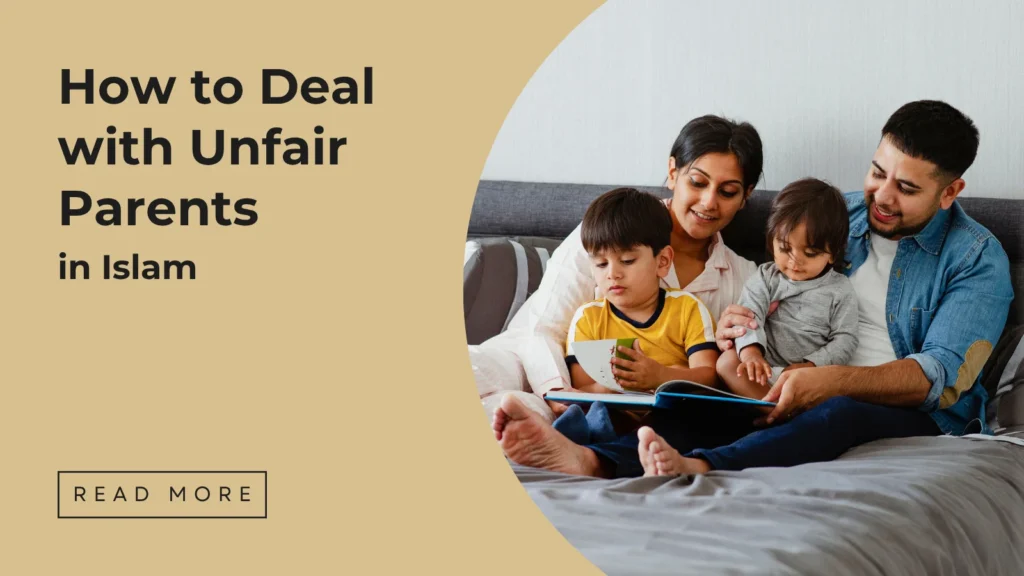
At Sakeena Institute, founded by Elzahraa Hassane, many individuals seek guidance on navigating complex family relationships while remaining faithful to Islamic values. One common concern is how to deal with unfair parents in Islam without compromising respect, dignity, or emotional well-being. Islam strongly emphasizes honoring parents, yet it also recognizes that family relationships can involve misunderstanding, conflict, and emotional challenges.
The Qur’an and the teachings of the Prophet Muhammad (peace be upon him) provide compassionate guidance for believers facing these struggles. They teach Muslims how to maintain kindness and patience while protecting themselves from harm and emotional distress. In this article, we explore Islamic perspectives on difficult family relationships, practical advice for navigating conflict, and faith-based approaches to healing and reconciliation.
Deal With Unfair Parents in Islam – Finding Balance Between Respect and Justice
Islam places immense importance on honoring parents. The Qur’an repeatedly emphasizes kindness, gratitude, and service to them. However, Islamic teachings also acknowledge that parents are human and may sometimes behave unfairly or make mistakes.
Learning how to deal with unfair parents in Islam requires balancing two key principles:
- Respect for parents
- Justice and emotional well-being
The Qur’an reminds believers:
“And your Lord has decreed that you worship none but Him, and that you be kind to parents.”
(Qur’an 17:23)
This verse highlights the importance of honoring parents, placing it immediately after the command to worship Allah. Yet Islamic scholars explain that kindness does not mean silently accepting injustice or emotional harm.
Islam encourages patience, wisdom, and respectful communication when facing family difficulties. Maintaining dignity while preserving family bonds is central to Islamic ethics.
Why Parent-Child Conflict Happens in Muslim Families
Many families experience tension due to differences in expectations, communication styles, or life choices. Understanding the roots of parent child conflict Islamic guidance can help individuals navigate these challenges with compassion.
Common causes include:
Cultural expectations vs. Islamic teachings
Sometimes cultural traditions influence parenting styles more strongly than Islamic principles, leading to misunderstandings or pressure on children.
Generational differences
Different generations may hold different perspectives on education, marriage, career, and lifestyle.
Miscommunication
Parents and children may struggle to express emotions or concerns effectively.
Emotional wounds or unresolved trauma
Family history, stress, or past experiences can affect how individuals relate to each other.
Modern discussions about islam psychology family relationships emphasize the importance of emotional awareness, empathy, and open dialogue. Islamic teachings support these values by encouraging compassion and understanding within families.
Islamic Advice for Difficult Parents
Islam offers practical guidance for those seeking islamic advice for difficult parents while maintaining respect and dignity.
Speak With Kindness
Even during disagreement, Islam encourages gentle speech.
The Qur’an advises:
“And lower to them the wing of humility out of mercy and say, ‘My Lord, have mercy upon them as they raised me when I was small.’”
(Qur’an 17:24)
Kind words can reduce tension and prevent conflicts from escalating.
Practice Patience (Sabr)
Patience is one of the most powerful virtues in Islam. Difficult family relationships often require emotional resilience and spiritual strength.
Maintain Respectful Boundaries
When parents behave unfairly or place unreasonable demands, maintaining respectful boundaries can protect emotional health while preserving family ties.
Make Dua for Your Parents
Praying for parents’ guidance and well-being can transform resentment into compassion.
The Qur’an provides a beautiful supplication:
“My Lord, have mercy upon them as they raised me when I was small.”
(Qur’an 17:24)
When Parents Encourage Wrongdoing
Islam also addresses situations where parents pressure children to act against Islamic principles.
The Qur’an states:
“But if they strive to make you associate with Me that of which you have no knowledge, do not obey them, but accompany them in this world with kindness.”
(Qur’an 31:15)
Scholars explain that while obedience to parents is important, it does not extend to actions that contradict faith or moral integrity.
Understanding Toxic Parents From an Islamic Perspective
The topic of toxic parents Islamic perspective is increasingly discussed in modern Muslim communities. While Islam emphasizes compassion toward parents, it does not require enduring abuse or harmful treatment.
It is important to distinguish between different situations:
Strict parenting
Parents may enforce discipline or expectations out of concern, even if it feels harsh.
Emotionally harmful behavior
Repeated criticism, manipulation, or neglect can affect a child’s emotional well-being.
Abuse or manipulation
In extreme cases, parents may engage in harmful behaviors that require intervention or distance.
Islam promotes justice, mercy, and emotional safety within families. The Prophet Muhammad (peace be upon him) emphasized fairness and compassion in all relationships.
Islamic scholars also acknowledge the importance of protecting mental health while maintaining respectful conduct. Seeking help from trusted counselors or scholars can help individuals navigate complex family dynamics.
Islam Psychology and Family Relationships
The field of islam psychology family relationships explores how Islamic teachings support emotional well-being and healthy interpersonal connections.
Islam encourages believers to develop qualities that strengthen family bonds:
Emotional Intelligence
Understanding and managing emotions helps prevent unnecessary conflict and fosters empathy.
Forgiveness and Healing
The Qur’an praises those who forgive and seek reconciliation. Forgiveness can ease emotional burdens and promote healing.
Empathy and Communication
Listening with compassion and expressing feelings respectfully can transform family dynamics.
Classical scholars also emphasized emotional awareness. Imam Al-Ghazali wrote extensively about self-reflection and controlling anger. Similarly, Ibn Qayyim Al-Jawziyya emphasized the importance of nurturing the heart and maintaining compassion in relationships.
These teachings align closely with modern psychological insights about healthy communication and emotional regulation.
Islamic Parenting Rights and Duties
Understanding islamic parenting rights and duties helps create balance within family relationships.
Parents’ Rights
Islam commands children to treat parents with:
- Respect and kindness
- Gratitude for their sacrifices
- Care and support in old age
The Prophet Muhammad (peace be upon him) said:
“Paradise lies at the feet of mothers.”
(Hadith – Musnad Ahmad)
Parents’ Responsibilities
Parents also have important duties toward their children, including:
- Providing emotional and physical care
- Teaching moral values and faith
- Treating children fairly and with compassion
The Prophet (peace be upon him) emphasized fairness among children and warned against favoritism or injustice.
When these responsibilities are neglected, misunderstandings and conflict can arise. Addressing these imbalances with wisdom and patience can help restore harmony.
Islam Family Counseling Advice for Difficult Family Situations
When conflict becomes overwhelming, seeking islam family counseling advice can provide valuable support.
Some practical approaches include:
Calm and respectful conversations
Discussing concerns openly and respectfully can improve understanding.
Seeking mediation
Trusted elders, scholars, or community leaders can help facilitate productive dialogue.
Islamic counseling or therapy
Professional counselors who understand Islamic values can help families navigate emotional challenges.
Maintaining emotional boundaries
Protecting mental health while preserving family ties may require healthy boundaries.
At Sakeena Institute, many individuals explore faith-based counseling resources that combine Islamic teachings with modern psychological support.
Healing Family Relationships Through Faith and Compassion
Despite the challenges that family conflicts can create, Islam encourages believers to strive for reconciliation whenever possible.
Healing relationships may involve:
Making dua for parents and family
Prayer softens the heart and invites divine guidance.
Practicing forgiveness
Letting go of resentment can free individuals from emotional pain.
Improving communication
Listening with empathy and expressing feelings calmly can rebuild trust.
Seeking knowledge and spiritual growth
Learning more about Islamic teachings on family relationships can strengthen emotional resilience.
Through patience, faith, and compassion, many families can move toward healing and stronger connections.
Final Thoughts
Family conflict can be emotionally painful, especially when it involves parents. Learning how to deal with unfair parents in Islam requires balancing respect, patience, and emotional well-being. Islamic teachings provide guidance that encourages kindness, justice, and wisdom in navigating difficult relationships.
If you are struggling with family conflict, remember that support is available. Consider seeking guidance from trusted scholars, professional counselors, or faith-based mental health resources. Combining spiritual wisdom with professional support can help restore emotional balance and strengthen family relationships.
FAQ
How Does Islam Teach Us to Deal With Unfair Parents?
Islam encourages patience, respectful communication, and maintaining kindness toward parents while protecting personal well-being. The Qur’an emphasizes compassion and humility in interactions with parents.
What If My Parents Treat Me Unjustly in Islam?
If parents behave unfairly, Islam advises maintaining respectful conduct while seeking mediation, counseling, or guidance from knowledgeable scholars.
Does Islam Allow Distance From Toxic Parents?
Scholars explain that maintaining basic family ties is important, but Islam does not require enduring abuse. Healthy boundaries may be necessary in harmful situations.
What Does Islam Say About Parent-Child Conflict?
Islam acknowledges that family disagreements occur and encourages reconciliation, kindness, and open communication to restore harmony.
Can Islamic Counseling Help With Family Problems?
Yes. Islam family counseling advice combines spiritual guidance with psychological support, helping families address conflict, improve communication, and strengthen relationships.