
Depression is a growing global health concern affecting millions of people, including Muslims across different cultures and communities. Many believers struggle silently because they wonder whether seeking medical treatment aligns with their faith. Questions like Is medication allowed? or Should I rely only on prayer? are common.
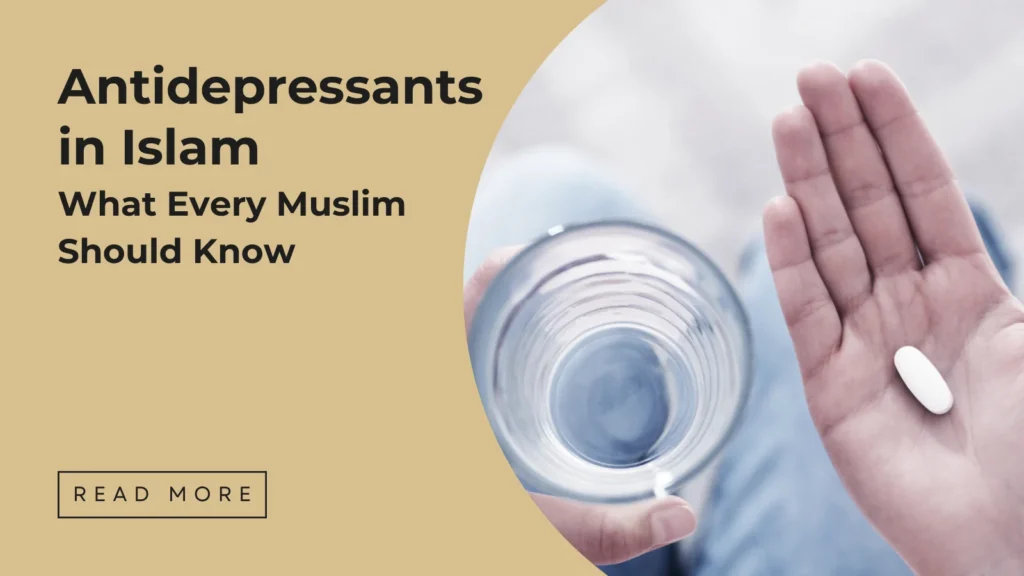
Understanding antidepressants in Islam: seeking treatment for depression Islam requires balancing spiritual trust in Allah with responsible medical care. Islam encourages healing, compassion, and preservation of life – including mental well-being.
This article explores how Islam views depression, psychiatric medication, and emotional healing while addressing stigma surrounding mental health medication in Islam.
Understanding Depression and Mental Health in Islam
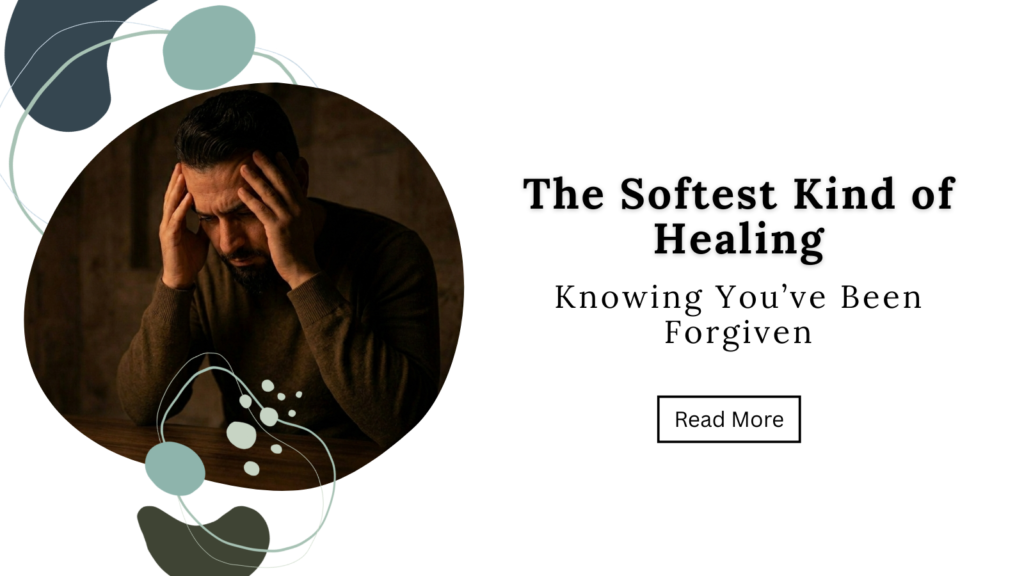
Islam recognizes that human beings experience emotional pain, grief, anxiety, and psychological hardship. Mental struggle is not a sign of weak faith; rather, it is part of the human condition.
The Quran acknowledges emotional distress:
“And We will surely test you with something of fear and hunger and loss…” (Quran 2:155)
Even prophets experienced deep sadness. Prophet Yaqub (AS) cried intensely over the loss of Yusuf (AS), demonstrating that emotional suffering exists even among the most righteous people.
This understanding forms the foundation of Islam and mental health medicine – recognizing mental illness as a legitimate health concern requiring care and support.
Modern research from organizations like the World Health Organization (WHO) confirms depression as a medical condition involving brain chemistry, psychological stress, and environmental factors. Islam does not deny medical reality; instead, it encourages seeking solutions.
Islamic View on Psychiatric Drugs and Medical Treatment
A common misconception is that Muslims should rely solely on prayer when facing depression. However, Islamic teachings clearly support medical treatment.
The Prophet Muhammad ﷺ said:
“Seek treatment, for Allah has not created a disease except that He has also created its cure.”
(Hadith – Abu Dawood)
This hadith forms the basis of the Islamic view on psychiatric drugs and healthcare in general. Medication is not seen as opposing faith but as part of Allah’s provision for healing.
Islamic scholars historically supported medicine and psychological care. Classical Muslim physicians like Ibn Sina discussed emotional disorders centuries before modern psychiatry.
From an Islamic perspective:
- Illness affects both body and mind
- Treatment is encouraged
- Seeking help is an act of responsibility
Therefore, using antidepressants under professional supervision falls within accepted medical practice.
Are Antidepressants Ethical in Islam?
Many Muslims worry whether taking antidepressants interferes with natural emotions or reliance on Allah. The discussion around antidepressants ethical Islam focuses mainly on intention and necessity.
Islam evaluates actions through niyyah (intention).
If medication is used to:
- restore mental stability,
- reduce suffering,
- improve daily functioning,
then treatment becomes permissible and even beneficial.
Clinical depression differs from temporary sadness. It may involve chemical imbalances affecting sleep, appetite, concentration, and emotional regulation. Proper diagnosis by healthcare professionals is essential before starting medication.
Islam does not prohibit treatment simply because it affects mood – just as painkillers relieve physical pain, antidepressants may help stabilize mental health.
Antidepressant Guidance for Muslims
Healthy antidepressant guidance for Muslims includes:
- Consulting licensed mental health professionals
- Seeking advice from trusted scholars if concerned
- Using medication responsibly
- Combining treatment with spiritual practices
Responsible use of mental health medication Islam promotes recovery while maintaining faith-centered living.
Islam Antidepressant Use Perspective: Faith and Medical Balance
The Islamic concept of tawakkul (trust in Allah) does not mean avoiding action. True reliance involves effort alongside faith.
A famous example illustrates this balance when the Prophet ﷺ advised:
“Tie your camel and trust in Allah.”
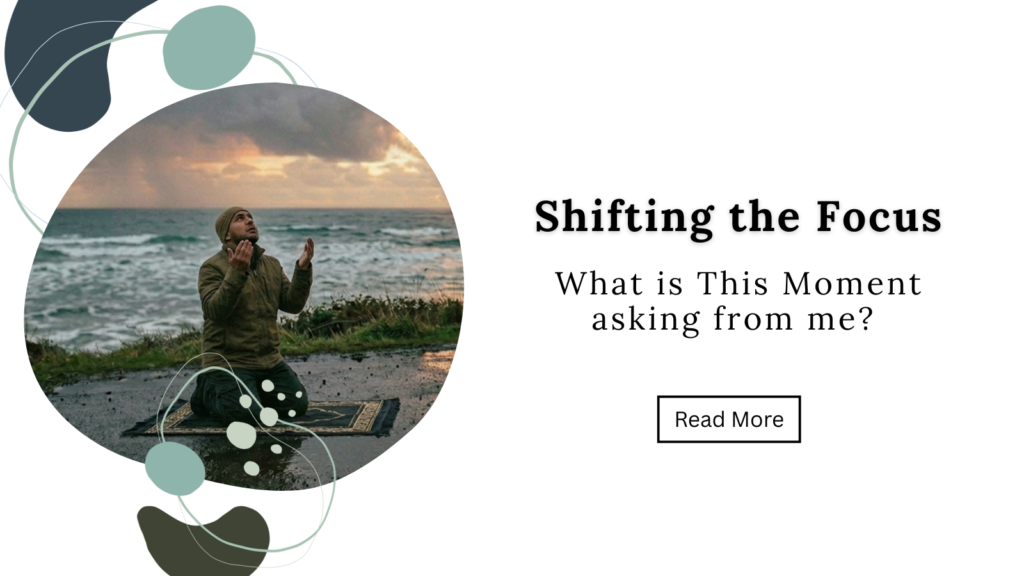
Medication, therapy, exercise, and lifestyle improvement all represent tying the camel – while prayer represents spiritual trust.
The Islam antidepressant use perspective emphasizes harmony between:
- Medical treatment
- Psychological therapy
- Spiritual connection
- Community support
Removing guilt around treatment is essential. Taking antidepressants does not mean abandoning faith; rather, it reflects responsible self-care.
Spiritual Support Alongside Treatment
While medication may help regulate symptoms, spiritual practices provide emotional strength and meaning.
Islam encourages remembrance of Allah as comfort:
“Verily, in the remembrance of Allah do hearts find rest.” (Quran 13:28)
Incorporating Quran dua for mental health can support emotional resilience alongside therapy.
Examples include:
Dua for distress:
Allahumma inni a‘udhu bika minal-hammi wal-hazan
(O Allah, I seek refuge in You from anxiety and sorrow.)
Dua of Prophet Yunus (AS):
La ilaha illa anta, subhanaka inni kuntu minaz-zalimeen.
Regular salah, dhikr, and reflection help strengthen hope and patience during recovery.
Spiritual healing and medical care are complementary – not competing – paths.
When Muslims Should Seek Professional Help
Everyone experiences sadness occasionally, but clinical depression involves persistent symptoms lasting weeks or months.
Signs professional help may be needed include:
- Continuous sadness or emptiness
- Loss of motivation
- Sleep disturbances
- Withdrawal from family or worship
- Difficulty functioning daily
- Thoughts of self-harm
Islam strongly supports preservation of life and well-being. Early treatment prevents worsening conditions.
Seeking therapy or psychiatric evaluation aligns fully with Islamic principles of self-protection and care.
Healing Through Compassion and Support
Mental health recovery rarely happens alone. Family, friends, and communities play a major role.
Unfortunately, stigma still exists in some Muslim societies where depression is misunderstood as lack of faith. Breaking this stigma is essential.
Healthy Muslim communities should:
- Encourage open discussion about mental health
- Avoid judgment or shame
- Support those receiving treatment
- Promote education about Islam and mental health medicine
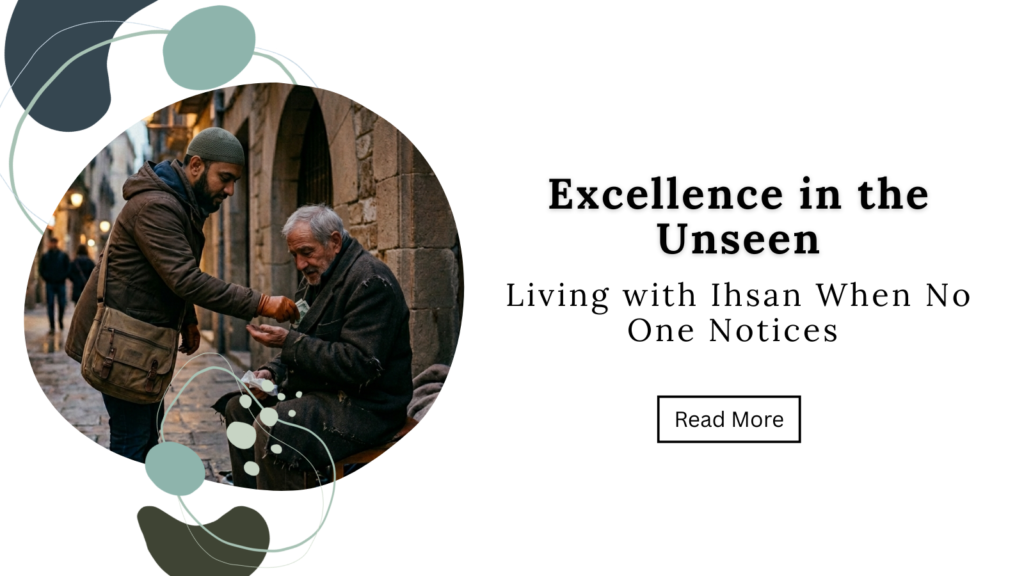
Compassion reflects prophetic character. Supporting someone through depression is an act of mercy rewarded in Islam.
Final Thoughts: Faith and Treatment Can Coexist
Islam teaches balance – between body and soul, effort and trust, medicine and spirituality.
Understanding antidepressants in Islam: seeking treatment for depression Islam helps Muslims realize that seeking help is not weakness. Treatment, therapy, dua, and patience can work together toward healing.
If you or someone you love is struggling with depression, consider reaching out to qualified mental health professionals while maintaining spiritual connection. Seeking treatment honors the Islamic principle of caring for the life Allah has entrusted to you.
Healing is possible, and help is available.
FAQs
Are Antidepressants Allowed in Islam?
Yes. Most scholars permit antidepressants when prescribed by qualified medical professionals for legitimate mental health conditions.
Does Taking Mental Health Medication Show Weak Faith?
No. Mental illness is a medical condition. Seeking treatment reflects responsibility, not weak belief.
What Is the Islamic View on Psychiatric Drugs?
Islam encourages seeking cures for illness. Psychiatric medication is permissible when beneficial and medically supervised.
Can Dua Replace Antidepressant Treatment?
Dua provides spiritual comfort but does not replace professional medical care when clinical depression is present. Both should work together.
How Can Muslims Balance Faith and Mental Health Treatment?
By combining therapy, medication when needed, prayer, healthy lifestyle habits, and strong community support.