
Life today often feels overwhelming. Stress, anxiety, emotional pain, and confusion about purpose are common struggles. Islam addresses these challenges at their root through a profound concept known as the spiritual heart in Islam, or qalb. The qalb is not just a physical organ but the center of faith, intention, emotional wellbeing, and spiritual awareness.
Understanding the spiritual heart in Islam helps Muslims reconnect with inner peace, clarity, and emotional balance. This article explores the Islamic concept of qalb, its role in emotional wellbeing, spiritual healing, and how nurturing the heart leads to a more meaningful life.
What Is the Spiritual Heart in Islam?
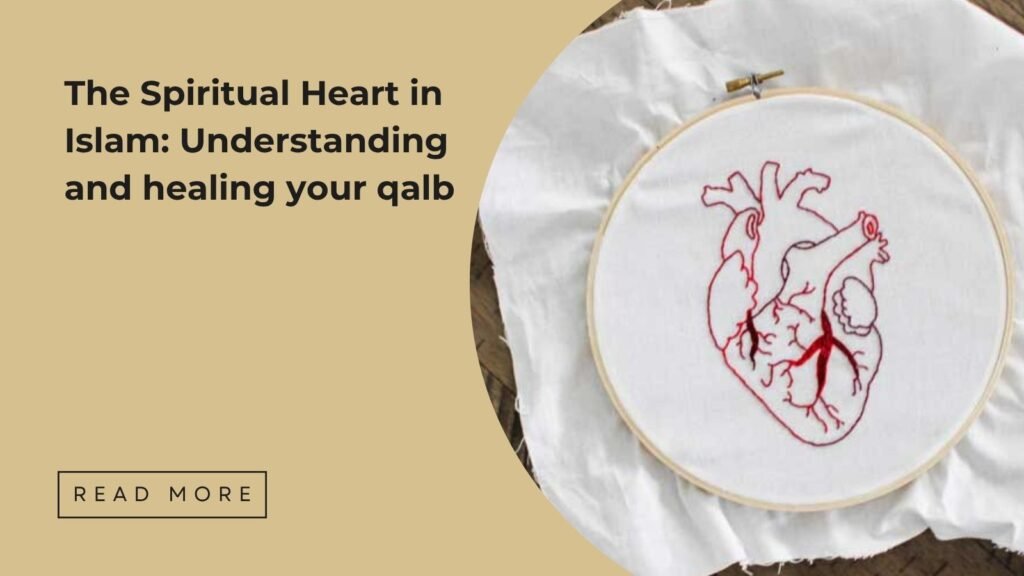
In Islam, the qalb refers to the spiritual heart, not merely the physical heart that pumps blood. While modern science focuses on the brain as the center of thought, Islam emphasizes the heart as the core of belief, intention, and consciousness.
The Quran frequently speaks about hearts that understand, hearts that are sealed, and hearts that find peace. This shows that the spiritual heart in Islam plays a central role in how a person perceives truth and lives their faith.
Difference Between the Physical Heart and Spiritual Heart
- The physical heart sustains the body.
- The spiritual heart (qalb) sustains faith, morality, and emotional balance.
A healthy body does not always mean a healthy heart in the spiritual sense. Islam teaches that spiritual diseases of the heart can exist even when a person appears successful outwardly.
Importance of Qalb in Daily Life
The Prophet Muhammad ﷺ said:
“Indeed, in the body there is a piece of flesh; if it is sound, the whole body is sound.” (Bukhari & Muslim)
This hadith highlights that actions, emotions, and decisions all flow from the state of the heart.
The Islamic Concept of Qalb and Human Consciousness
The Islamic concept of qalb views the heart as the center of human awareness. It is where belief (iman), intention (niyyah), and moral judgment originate.
Islam teaches that Allah looks at the heart, not outward appearances. This makes inner sincerity more important than external actions alone.
Qalb as the Center of Accountability
- The heart forms intentions before actions occur.
- A sound heart leads to righteous behavior.
- A corrupted heart leads to confusion and moral weakness.
This understanding creates personal accountability while encouraging compassion toward oneself and others.
Heart (Qalb) and Emotional Wellbeing in Islam
The connection between the heart (qalb) and emotional wellbeing in Islam is deeply emphasized. Emotional states such as anxiety, sadness, fear, and peace are reflections of the heart’s condition.
The Quran states:
“Verily, in the remembrance of Allah do hearts find rest.” (Quran 13:28)
This verse shows that emotional calm is not only psychological but spiritual.
Emotional Balance Through Faith
Islam provides tools to nurture emotional wellbeing:
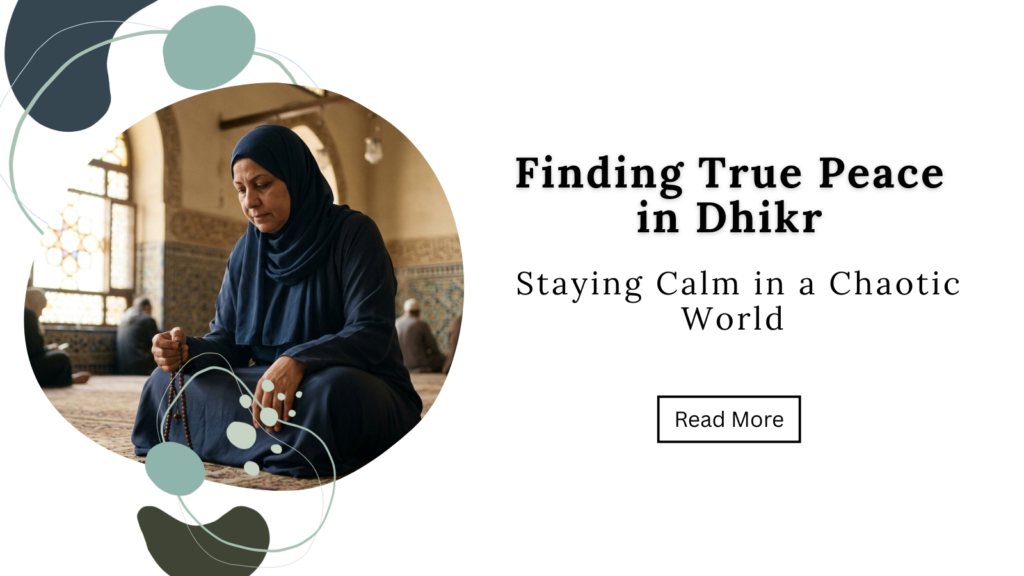
- Dhikr (remembrance) calms anxiety.
- Salah (prayer) restores balance.
- Tawakkul (trust in Allah) reduces fear of uncertainty.
These practices support mental health while strengthening faith.
Purity of Heart in Islam and Inner Peace
Purity of heart in Islam (tazkiyah al-qalb) refers to cleansing the heart from negative traits such as envy, arrogance, resentment, and excessive attachment to worldly matters.
How Purity of Heart Leads to Peace
A purified heart:
- Feels content even during hardship
- Responds with patience instead of anger
- Experiences deeper spiritual peace
This is why purity of heart Islam peace is a recurring theme in Islamic teachings.
Effects of Sin and Negativity on the Heart
Islam explains that repeated wrongdoing creates spiritual “rust” on the heart. Without reflection and repentance, this rust can harden the heart and disconnect a person from inner peace.
Spiritual Healing of the Heart in Islam
Spiritual healing of the heart in Islam focuses on restoring faith, hope, and emotional balance. Islam recognizes emotional wounds caused by loss, trauma, guilt, and fear.
Faith-Based Healing Practices
Spiritual healing includes:
- Repentance (tawbah) to release guilt
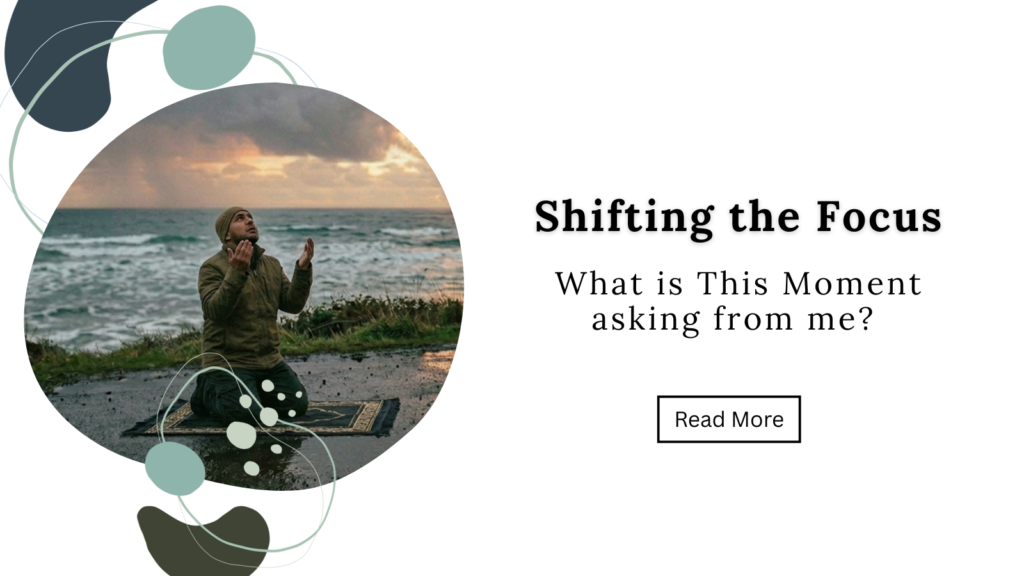
- Dua (supplication) to express vulnerability
- Quran reflection for guidance and comfort
- Self-reflection (muhasabah) for growth
These practices help individuals process pain while feeling supported by faith.
Heart vs Mind in Islamic Psychology
Heart vs Mind: An Islamic Psychology Perspective
The debate of heart vs mind psychology in Islam is addressed with balance. Islam acknowledges the intellect (‘aql) but places the heart above it in spiritual matters.
- The mind analyzes and reasons.
- The heart perceives truth and sincerity.
When Imbalance Occurs
- Over-reliance on logic may lead to emotional emptiness.
- Ignoring intellect may lead to misguidance.
Islam encourages harmony between heart and mind to achieve emotional and spiritual health.
Heart Transformation in Islam
Heart transformation in Islam refers to the process of turning a hardened heart into a softened, aware, and humble one.
Signs of Heart Transformation
- Increased empathy
- Desire for personal growth
- Stronger connection with Allah
- Emotional resilience during trials
Trials and hardships often become catalysts for this transformation, guiding individuals toward deeper self awareness and faith.
Quran Verses About the Heart in Islam
The Quran repeatedly highlights the heart as the center of guidance:
- Sealed hearts -resistant to truth
- Blind hearts -lack spiritual insight
- Tranquil hearts -at peace through faith
These Quran verses about heart Islam teach that guidance is not about intelligence alone, but about openness of the heart.
The Role of the Heart in Islamic Psychology
The Islamic psychology heart role emphasizes treating emotional struggles through both spiritual and psychological understanding.
Classical scholars like Imam Al-Ghazali discussed emotional illnesses of the heart centuries before modern psychology. Islam views mental health as a combination of emotional, spiritual, and behavioral wellbeing.
This integrated approach aligns with ethical counseling and holistic healing.
Nurturing a Healthy Spiritual Heart Today
Modern life presents unique emotional challenges. Nurturing the spiritual heart in Islam requires intentional effort.
Practical Steps for Modern Muslims
- Daily reflection and gratitude
- Limiting harmful distractions
- Serving others with sincerity
- Seeking faith-based counseling when needed
Islam does not discourage seeking help. Emotional struggles are not signs of weak faith but opportunities for healing and growth.
Final Thoughts & Call to Action
The spiritual heart in Islam is the foundation of faith, emotional wellbeing, and inner peace. When the heart is nurtured, life gains clarity, resilience, and purpose.
If you are seeking emotional healing, spiritual balance, or guidance rooted in Islamic values, exploring faith-based counseling and Islamic psychology resources can be a meaningful step forward.
At Sakeena Institute, the focus is on nurturing the heart through knowledge, compassion, and holistic Islamic guidance helping individuals reconnect with peace, faith, and emotional wellbeing.
Frequently Asked Questions (FAQs)
What Is the Spiritual Heart (Qalb) in Islam?
The qalb is the spiritual center of belief, intention, and emotional awareness in Islam.
How Does Islam Connect the Heart and Emotional Wellbeing?
Islam teaches that peace, anxiety, and emotional stability originate from the heart’s connection with Allah.
What Causes a Hard Heart According to Islam?
Persistent sin, neglect of remembrance, and arrogance can harden the heart.
Can the Heart Be Healed Spiritually in Islam?
Yes. Through repentance, prayer, Quran reflection, and sincere effort, the heart can heal.
What Does the Quran Say About the Human Heart?
The Quran describes hearts that understand, hearts that are sealed, and hearts that find peace through remembrance.