
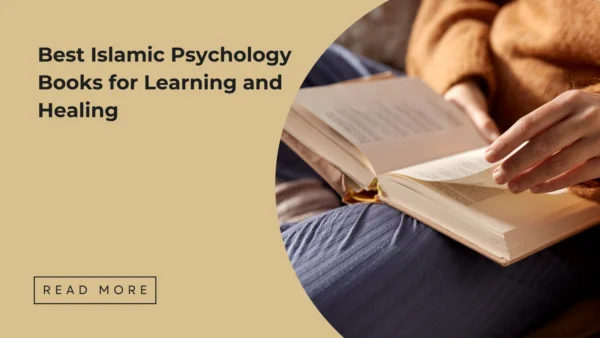
In recent years, Islamic psychology books have gained significant attention among students, therapists, and individuals seeking faith-based mental wellness guidance. These books offer a unique approach that integrates spiritual teachings with modern psychological science. Unlike conventional psychology, Islamic psychology recognizes the connection between emotional well-being, spiritual health, and moral development.
With rising mental health awareness globally, many Muslims are now turning toward Islamic psychology books to understand human emotions through the lens of faith. Authentic knowledge sources rooted in Qur’an, Hadith, and scholarly research provide holistic guidance for healing and self-development.
Why Islamic Psychology Is Gaining Global Attention
Islamic psychology is becoming globally recognized because it addresses both the mind and the soul. Modern therapy often focuses on behavior and cognition, while Islamic psychology also explores spiritual purification and connection with Allah. This combined perspective helps individuals achieve emotional stability and long-term mental wellness.
Researchers, therapists, and scholars increasingly acknowledge the importance of books on Islam and mental health as they offer culturally sensitive treatment models. Many Muslim psychology academic books now serve as reference material in universities and counseling centers worldwide.
The Foundations of Ilm An-Nafs in Classical Islamic Scholarship
The concept of ilm an-nafs books refers to classical Islamic literature focused on understanding the human soul, behavior, and emotions. Early Muslim scholars made remarkable contributions to psychology centuries before Western psychology emerged.
Scholars such as Imam Al-Ghazali, Ibn Sina (Avicenna), and Al-Razi wrote extensively about human behavior, personality, and emotional regulation. Their works explored how spiritual diseases like envy, arrogance, and anxiety affect human well-being.
Classical ilm an-nafs books often describe:
- The structure of the soul (nafs, qalb, ruh)
- Emotional regulation through spiritual purification
- The relationship between moral behavior and psychological health
- Methods for self-reflection and personal growth
These early writings remain foundational resources in modern Islamic psychology reading list recommendations.
Top Books on Islamic Concept of Self and Personal Development
Understanding the Islamic concept of self is essential for emotional balance and self-purification. Several scholars have written influential texts that explain how the nafs develops and how individuals can achieve inner peace.
Some top books on Islamic concept of self discuss:
- The stages of the nafs (Nafs Ammarah, Lawwamah, Mutmainnah)
- Spiritual self-awareness and emotional accountability
- The role of discipline and reflection in personal development
- Balancing worldly responsibilities with spiritual growth
These books help readers understand how emotional struggles are connected to spiritual conditions. They also serve as practical self-help guides rooted in Islamic teachings.
Many modern therapists recommend such Islamic psychology books to help individuals struggling with identity confusion, anxiety, or emotional imbalance.
Books on Islam and Mental Health in Modern Psychology
Modern mental health research increasingly acknowledges the importance of spirituality in psychological treatment. Today, many books on Islam and mental health combine clinical therapy techniques with Islamic values.
These Muslim psychology academic books explore:
- Faith-integrated Cognitive Behavioral Therapy (CBT)
- Trauma recovery through spiritual resilience
- Islamic mindfulness and emotional regulation
- Community-based mental health support
By combining professional therapy with faith, these books provide a holistic approach to healing. They are particularly beneficial for Muslims seeking culturally sensitive treatment options.
Islamic Psychology Textbook Recommendations for Students and Professionals
Students and therapists seeking academic knowledge can benefit from several Islamic psychology textbook recommendations. These textbooks provide research-based frameworks and clinical applications.
Recommended textbook categories include:
- Foundations of Islamic psychology
- Faith-based counseling methodologies
- Clinical therapy models integrated with Islamic spirituality
- Research studies on Muslim mental health
These Muslim psychology academic books are widely used in professional training programs and counseling education.
Islamic Counseling Books for Faith-Based Therapy
Islamic counseling books play a crucial role in guiding therapists who integrate faith with psychological treatment. These resources help counselors understand religious values, cultural sensitivity, and spiritual healing methods.
Islamic counseling approaches often include:
- Incorporating dua and spiritual reflection into therapy
- Addressing guilt and shame through Islamic teachings of mercy
- Strengthening resilience through trust in Allah
- Encouraging emotional expression within religious boundaries
Therapists trained through Islamic counseling books often provide more relatable and culturally appropriate care for Muslim clients.
Jinn in Islam Explained: Psychological and Spiritual Perspectives
The topic of jinn in Islam explained is often misunderstood in mental health discussions. Islamic teachings confirm the existence of jinn as part of the unseen world. However, scholars emphasize that not all psychological symptoms are caused by spiritual factors.
Authentic Islamic psychology books clarify the distinction between:
- Psychological disorders requiring therapy
- Spiritual disturbances requiring religious guidance
- Misinterpretations caused by cultural beliefs
Scholars encourage balanced evaluation involving both medical and spiritual consultation. Understanding jinn in Islam explained helps prevent stigma and ensures individuals receive appropriate mental health treatment.
Islamic Psychology Reading List for Beginners and Advanced Learners
Creating a structured Islamic psychology reading list helps individuals gradually build knowledge. Beginners may start with introductory books explaining the connection between spirituality and mental health. Intermediate readers often explore ilm an-nafs books and self-development literature.
Advanced learners and professionals may study:
- Islamic psychology textbook recommendations
- Research-based Muslim psychology academic books
- Specialized Islamic counseling books
A balanced Islamic psychology reading list supports both academic learning and personal spiritual development.
How Islamic Psychology Books Support Mental Wellness Today
Reading Islamic psychology books offers several mental health benefits. These books help individuals understand emotional struggles while strengthening their spiritual connection.
Benefits include:
- Developing emotional self-awareness
- Building spiritual resilience during hardship
- Learning faith-based coping strategies
- Understanding the relationship between behavior and spiritual health
- Reducing anxiety through trust in divine wisdom
Many books on Islam and mental health emphasize that emotional healing requires both psychological treatment and spiritual growth. This holistic approach is now widely recognized in modern therapy.
Sakeena Institute Supports Islamic Psychology Education and Counseling
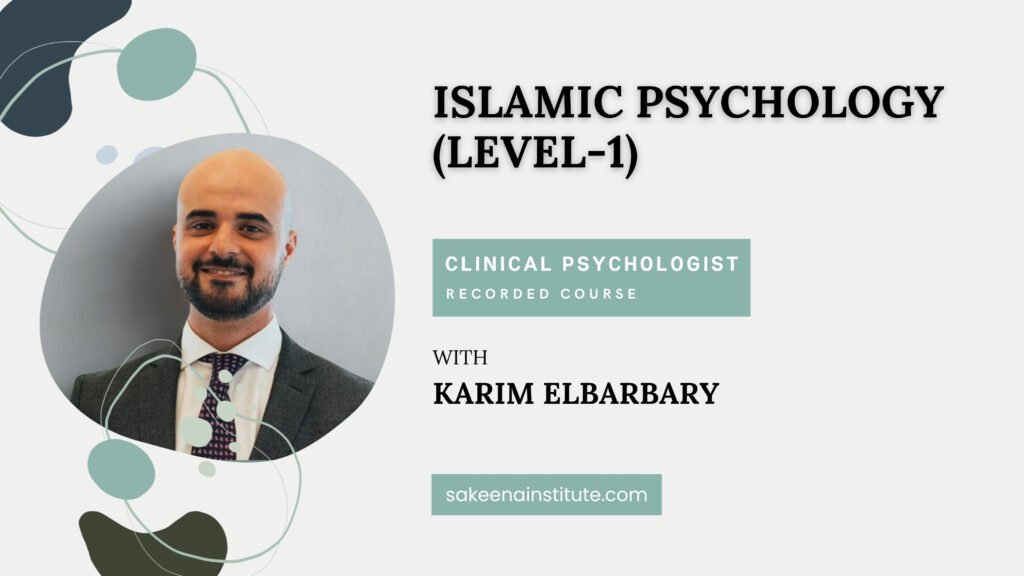
Organizations like Sakeena Institute play a vital role in promoting Islamic psychology education and mental health awareness. Through professional counseling services, educational programs, and research-based guidance, Sakeena Institute helps individuals achieve emotional and spiritual wellness.
Professionals at Sakeena Institute use knowledge derived from Islamic psychology books, clinical therapy models, and faith-based counseling methods. Their services provide confidential and compassionate support tailored to Muslim clients.
Final Thoughts
The growing interest in Islamic psychology books reflects a global shift toward holistic mental health understanding. These books combine classical Islamic scholarship with modern psychological science, offering balanced guidance for emotional healing and spiritual growth.
Whether you are a student, therapist, or individual seeking personal development, exploring Islamic psychology reading list resources can provide valuable insight into human behavior, faith, and emotional well-being.
Institutions like Sakeena Institute continue to bridge the gap between traditional Islamic knowledge and modern psychological practice, ensuring accessible and culturally sensitive mental health care.
Frequently Asked Questions
What Are the Best Islamic Psychology Books for Beginners?
Beginners can start with introductory Islamic psychology books that explain the relationship between faith, emotions, and personal development.
How Do Islamic Psychology Books Help Mental Health Professionals?
These Muslim psychology academic books provide culturally sensitive therapy frameworks and faith-integrated counseling techniques.
Are There Academic Textbooks on Islamic Psychology?
Yes, several Islamic psychology textbook recommendations exist for students and therapists studying Islamic counseling models.
How Does Islam Explain Mental Health and Emotional Well-Being?
Islam views mental health as a balance between spiritual, emotional, and physical well-being. Many books on Islam and mental health explain this holistic approach.
Can Islamic Psychology Books Help With Spiritual and Emotional Healing?
Yes. Islamic counseling books and ilm an-nafs books offer guidance for emotional regulation, spiritual purification, and personal growth.