
Modern psychology increasingly recognizes what believers have known for centuries: spiritual practices deeply influence emotional health. The Psychology of Prayer Salah explores how the structured Islamic prayer shapes thoughts, regulates emotions, and strengthens behavior patterns in ways that promote long-term well-being. Far beyond ritual, Salah is a daily cognitive, emotional, and spiritual reset. By combining physical movement, mindful recitation, and intentional reflection, it creates powerful psychological shifts that support resilience, clarity, and inner stability.
For many Muslims searching for balance, understanding the Psychology of Prayer Salah offers a meaningful framework for improving mental and emotional health while strengthening faith.
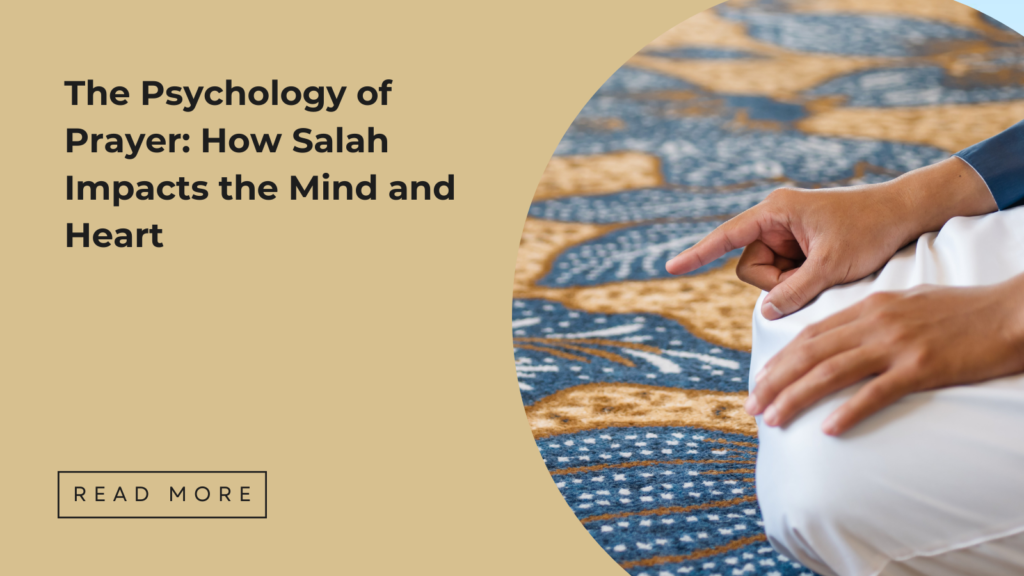
The Psychology of Prayer Salah refers to the study of how Islamic prayer influences mental processes, emotional regulation, and behavioral patterns. From a psychological perspective, Salah is not only worship but also structured mindfulness practiced five times a day.
Each unit of prayer (rak’ah) includes:
Cognitive psychology shows that repeated intentional behaviors rewire thought patterns. Behavioral psychology highlights how consistency builds discipline. Neuropsychology suggests that slow, rhythmic movement combined with focused breathing can activate the parasympathetic nervous system the body’s calming system.
In this way, Salah impacts:
This is the foundation of the psychology of Muslim prayer.
One of the key psychological benefits of salah is emotional regulation. When a person pauses five times daily, steps away from stressors, and reconnects spiritually, the emotional intensity of daily problems decreases. Salah provides structured pauses that prevent emotional overload.
Research on contemplative practices shows that mindful rituals lower cortisol levels. The repetitive movements of bowing and prostration, combined with recitation, resemble grounding techniques used in therapy.
These are part of the broader mental health benefits of prayer Islamic tradition emphasizes:
Performing Salah consistently, even during difficulty, strengthens willpower. Behavioral science confirms that routine builds resilience. Muslims who pray regularly often report improved time management, emotional stability, and stress tolerance.
The science of prayer and mindfulness reveals striking similarities between Salah and evidence-based mindfulness practices.
Mindfulness therapy teaches:
Salah naturally incorporates these elements:
Emerging Salah mindfulness research suggests that structured prayer improves concentration and reduces psychological distress. Brain imaging studies on religious meditation show increased activity in areas associated with emotional control and decreased activity in stress centers.
Neurologically, Salah:
This scientific alignment strengthens the understanding of prayer Salah psychological effects in modern mental health discussions.
The spiritual psychology of Salah explores how faith-based meaning enhances psychological healing. Human beings seek purpose. When struggles are framed within divine wisdom, suffering becomes easier to tolerate.
Connection with Allah provides existential reassurance. Surrendering worries during sujood (prostration) creates a peace of mind that cognitive techniques alone may not achieve.
Faith introduces:
These emotions counter despair and helplessness.
Salah nurtures happy emotions through gratitude and reflection. When a person consistently thanks Allah, neural pathways associated with positivity strengthen. Gratitude-based interventions in psychology show similar outcomes.
Many people ask, how to feel happy again after stress or sadness. Structured spiritual practice offers:
Happiness in Islam is not constant excitement but inner contentment—and Salah supports that deeper form of joy.
The long-term prayer Salah psychological effects are profound. Regular practice fosters emotional stability and reduces symptoms of depression and anxiety.
Studies on religious coping indicate that individuals who engage in regular prayer report:
This aligns with the broader psychology of Muslim prayer, which integrates faith with cognitive restructuring. When negative thoughts arise, prayer reframes them through remembrance of divine mercy.
Salah reinforces identity:
A Muslim is reminded five times daily of purpose and belonging. Identity clarity is a strong protective factor against anxiety and emotional instability.
In a world of comparison and digital overwhelm, prayer restores internal stability.
Salah can complement professional support such as online trauma therapy or online talk therapy. Faith-based healing does not replace therapy but enhances it.
Therapists working with Muslim clients often integrate:
Trauma survivors benefit from structured routine and safety cues. Prayer provides predictable rhythm and spiritual reassurance.
A holistic approach combines:
This integration respects both psychological science and Islamic tradition.
To deepen the Psychology of Prayer Salah experience:
Start with:
Incorporate:
Over time, these habits cultivate a peace of mind that extends beyond prayer into daily life.
The Psychology of Prayer Salah demonstrates that Islamic prayer is both spiritually transformative and psychologically restorative. From emotional regulation and stress reduction to identity clarity and trauma support, Salah nurtures holistic well-being.
By aligning faith with science, Muslims can rediscover prayer not as routine obligation but as daily emotional therapy. The spiritual psychology of Salah offers a path toward stability, resilience, and lasting inner calm.
Salah improves emotional regulation, reduces stress, enhances discipline, and strengthens identity through structured spiritual practice.
Yes. Studies on religious meditation and mindfulness practices show neurological and emotional benefits similar to those observed in Salah mindfulness research.
Islamic teachings emphasize prayer as a source of comfort and resilience. Modern psychology supports the mental health benefits of prayer Islamic tradition encourages.
Through focused recitation, surrender to Allah, and consistent routine, Salah activates calming neurological responses and reduces mental overwhelm.
Yes. Salah can complement online trauma therapy and online talk therapy by providing emotional grounding, structure, and spiritual reassurance.

We are here to guide you toward healing, peace, and understanding through the wisdom of Islam.
© 2025 Sakeena Institute (Licensed by SPC FZ). All Rights Reserved.
Struggling with your mental health? Book your private consultation with our specialists.