

Living with unfair parents can be emotionally exhausting. Whether you’re a teenager struggling with strict rules or an adult dealing with persistent criticism, the pain of being treated unfairly by the people who raised you is real. But what does Islam say about this? How should Muslims deal with unfair or even toxic parents?
This blog post will explore how to deal with unfair parents in Islam, balancing respect with self-preservation. It’s not always easy, but understanding what our faith teaches can offer clarity and peace.
Islam holds parents in very high regard while also guiding them toward effective parenting. The Quran repeatedly tells us to honor them and be kind, even if they are difficult. Allah says in Surah Al-Isra (17:23): “And your Lord has decreed that you not worship except Him, and to parents, good treatment.”
This verse emphasizes kindness regardless of their behavior. Even when parents are not ideal, Islam still commands respectful treatment. The Prophet Muhammad (peace be upon him) also taught that paradise lies under the feet of one’s mother, illustrating the high value Islam places on parents.
But this respect has boundaries. Islam does not command blind obedience. Surah Luqman (31:15) says: “But if they strive to make you associate with Me that of which you do not know, do not obey them but accompany them in this world with appropriate kindness.”
So, when parents demand something that contradicts Islam, you are not required to obey, but still expected to behave respectfully. This balance is key to understanding how to deal with unfair parents in Islam.
Before you can respond properly, you need to identify what kind of behavior is actually unfair. Some examples include:
Some parents might not even realize they are being unfair. In many cultures, controlling behavior is perceived as a sign of care. But Islam teaches balance, justice, and compassion.
Islamic scholars agree that abusive behavior, whether emotional or physical, is not acceptable. If your parents constantly make you feel worthless, mentally exhausted, or scared, then you are facing toxic behavior.
Understanding this helps in deciding how to deal with unfair parents in Islam in a way that is both Islamic and psychologically healthy.
Patience is one of the most highly regarded virtues in Islam. When dealing with unfair parents, having sabr is essential. It doesn’t mean you agree with them or let them walk over you. It means staying calm, not reacting harshly, and choosing your words wisely. Allah promises great reward to those who are patient.
Cutting ties with family is discouraged in Islam. Even if your parents are unfair, you are encouraged to maintain some level of contact. This could be occasional phone calls, checking in through a sibling, or sending small gifts. It shows that you’re trying without putting yourself in harm’s way.
Islam encourages gentle and respectful advice. If your parents are doing something wrong, you can still talk to them. But do it with kindness. Use respectful language, avoid yelling, and try to speak when they are calm and collected. Sometimes, writing a heartfelt letter is more effective than a conversation.
Islam values your mental well-being. You are not obligated to stay in a harmful environment. If your mental health is suffering due to constant emotional abuse, it’s okay to create space. Taking care of yourself is part of your duty to Allah.
Consult with a trusted Islamic scholar or counselor who understands your specific situation. They can help you navigate your next steps. Islamic support groups or even online communities can provide comfort, advice, and prayer support.
So, what do you do when you’ve tried everything and the unfairness continues? Here are steps grounded in both Islamic guidance and emotional wisdom.
Start with yourself. It’s easy to get angry or defensive, but Islam teaches emotional regulation. Take deep breaths, do wudu, or walk away before reacting. The Prophet (peace be upon him) advised those who are angry to sit or lie down to calm down.
Wait for a calm moment. Tell them how their actions make you feel. Use “I feel…” statements instead of “You always…” which can sound accusatory. This makes your message clearer and more palatable.
Sometimes, a family member, family friend, or local imam can mediate. Choose someone both sides respect. This can help when direct communication fails.
If the unfair treatment continues, it’s okay to draw lines. Limit conversations to certain topics. Reduce time spent together if needed. Islam doesn’t require you to suffer endlessly, as long as you maintain basic respect and don’t cut ties completely, you are within Islamic boundaries.
Don’t let their negativity shape your self-worth. Invest in your education, hobbies, and spiritual development. Turn to the Quran and Islamic therapy sources to ground yourself. You’re not alone in this.
Islam does not ask you to suffer endlessly. If parents are abusive, demanding sinful acts, or harming your health, emotionally or physically, then Islam allows you to limit contact. But you must still uphold basic respect. Don’t insult or curse. You can reduce interaction while making dua for them.
Each case is different. Some people may need to leave the house. Others may just need emotional distance. Consult with a scholar before making significant decisions. It helps to have Islamic validation when you’re unsure.
Remember, Allah is Most Just. He sees your struggle. If you’re sincere in dealing with the situation to the best of your ability, you are doing your part.
Dealing with unfair parents in Islam is a delicate matter. Islam honors parents, but it also honors justice, kindness, and mental peace. You are not expected to suffer endlessly or obey commands that go against your well-being or Islamic principles.
The key is balance. Be respectful, but not submissive to injustice. Set boundaries, but don’t cut ties without reason. Seek knowledge, make dua, and take practical steps that align with Islamic values. Patience, respect, communication, and self-care all play a role.
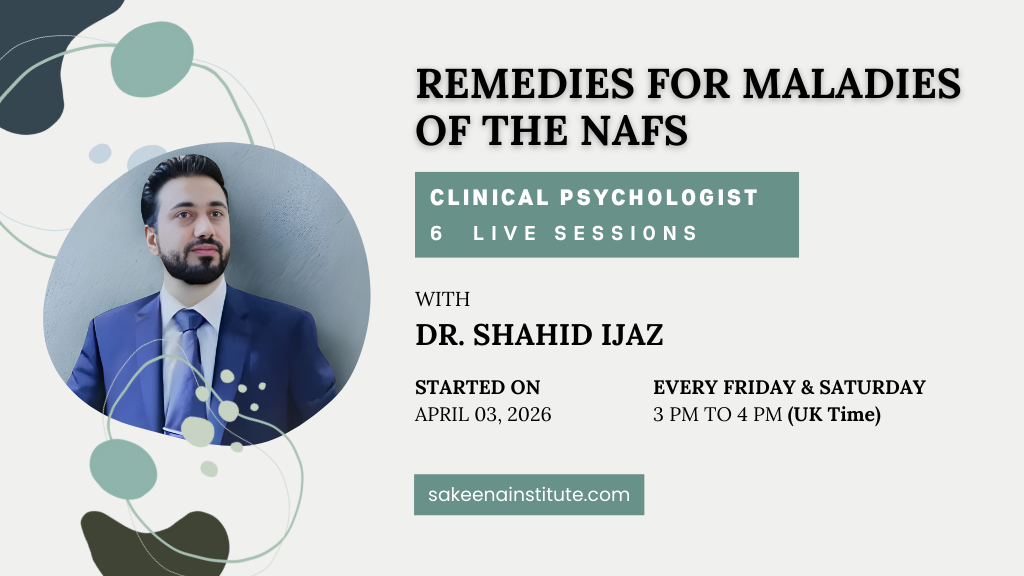

We are here to guide you toward healing, peace, and understanding through the wisdom of Islam.
© 2025 Sakeena Institute (Licensed by SPC FZ). All Rights Reserved.
Struggling with your mental health? Book your private consultation with our specialists.