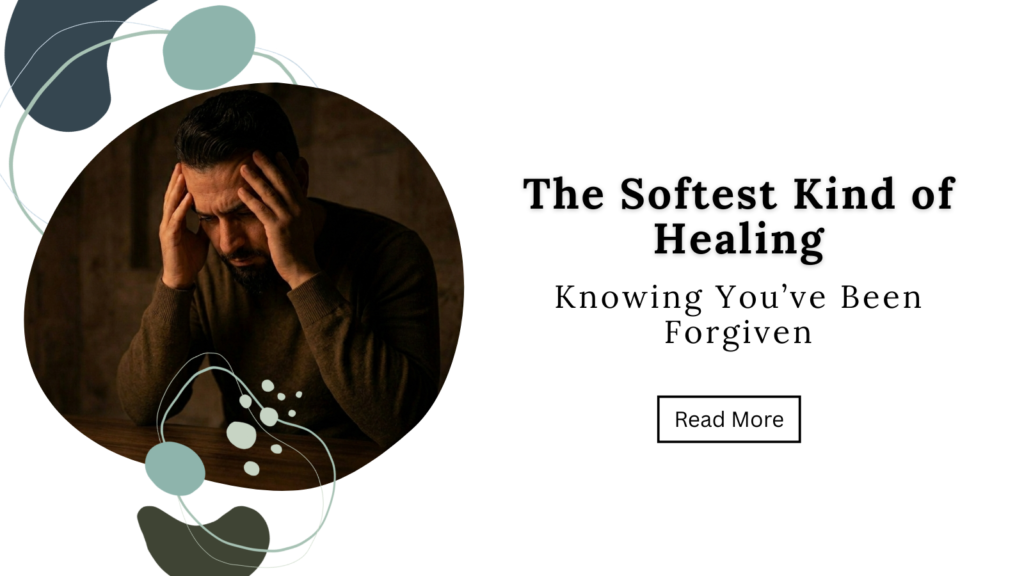


Life’s responsibilities, emotional stress, and daily pressures can sometimes weaken a Muslim’s spiritual connection. Spiritual burnout in Islam refers to a state where a person feels emotionally and spiritually exhausted, often struggling to maintain motivation in worship or feeling disconnected from their faith. While many Muslims hesitate to discuss it, spiritual burnout is a real and deeply human experience.
Islam recognizes emotional and mental struggles and encourages balance, compassion, and gradual spiritual growth. Understanding spiritual burnout helps individuals reconnect with Allah, restore inner peace, and strengthen long-term faith. This guide explores its signs, causes, healing methods, and prevention strategies through authentic Islamic teachings and psychological insight.
What Is Spiritual Burnout in Islam? Understanding Faith Fatigue
Spiritual burnout in Islam describes a condition where religious practices begin to feel overwhelming rather than fulfilling. It differs from general burnout because it directly impacts a Muslim’s relationship with Allah and their sense of spiritual purpose.
Spiritual burnout often develops when emotional, mental, and spiritual exhaustion combine. A Muslim may still believe strongly but struggle with consistency in prayer, Quran recitation, or spiritual motivation.
Islam emphasizes moderation in worship. The Prophet Muhammad (peace be upon him) said:
“Religion is easy, and no one makes it difficult except that it overwhelms him.” (Bukhari)
This hadith highlights that Islam encourages sustainable worship rather than excessive practices that lead to fatigue. The relationship between spirituality and mental health in Islam is deeply connected, recognizing that emotional well-being strengthens faith and resilience.
Signs of Spiritual Burnout in Islam
Recognizing early signs of spiritual burnout Islam helps prevent long-term spiritual exhaustion. Symptoms may appear emotionally, behaviorally, or spiritually.
Emotional Signs
- Feeling guilt about missed religious practices
- Loss of spiritual satisfaction
- Feeling distant from Allah
- Emotional numbness during worship
Behavioral Signs
- Avoiding prayer or Quran recitation
- Loss of motivation to attend Islamic gatherings
- Feeling overwhelmed by religious obligations
Spiritual Signs
- Difficulty focusing in Salah
- Reduced connection during dua or dhikr
- Questioning personal spiritual worth
These symptoms do not indicate weak faith. Instead, they often signal emotional overload or unrealistic spiritual expectations.
Causes of Spiritual Burnout Muslim Communities Face
Understanding the causes of spiritual burnout Muslim communities experience helps individuals address root problems compassionately.
Unrealistic Religious Expectations
Some Muslims push themselves to maintain intense worship routines without considering emotional or physical limits. This can lead to guilt and exhaustion.
Life Stress and Emotional Fatigue
Career pressure, family responsibilities, and personal struggles can drain emotional energy, making spiritual practices harder to maintain.
Cultural Pressure vs. Personal Faith Journey
Sometimes cultural expectations create spiritual stress. Individuals may feel pressured to follow traditions without personal understanding or connection.
Lack of Spiritual Balance
Islam promotes balance between worship, family, health, and rest. Ignoring this balance often leads to spiritual fatigue.
Allah reminds believers in the Quran:
“Allah does not burden a soul beyond what it can bear.” (Quran 2:286)
This verse reassures Muslims that Islam is built upon mercy and realistic expectations.
Spirituality and Mental Health in Islam
Islam strongly supports emotional and psychological well-being. The connection between spirituality and mental health Islam encourages moderation, patience, and self-compassion.
The Prophet Muhammad (peace be upon him) practiced balanced worship. He rested, spent time with family, and encouraged companions to avoid extremes in religious devotion.
Islam teaches:
- Consistency is more valuable than intensity
- Emotional self-care strengthens faith
- Seeking help during hardship is encouraged
Modern Islamic psychology also highlights that mental health struggles can impact spiritual connection. Addressing emotional stress often strengthens religious motivation.
Healing From Spiritual Burnout in Islam
Healing from spiritual burnout Islam requires patience, gradual change, and compassion toward oneself.
Rebuilding Connection With Allah Slowly
Start with small and manageable acts of worship. Even short daily prayers or Quran recitation can rebuild spiritual strength.
Strengthening Intention (Niyyah)
Renewing intentions helps transform worship from obligation into personal spiritual growth.
Seeking Islamic Counseling and Support
Professional Islamic counseling combines psychological guidance with faith-based healing. This approach helps Muslims manage emotional stress while strengthening spirituality.
Practicing Self-Forgiveness
Many individuals experiencing burnout feel guilty about spiritual struggles. Islam encourages repentance, mercy, and self-compassion.
Allah says:
“Indeed, Allah loves those who repent and purify themselves.” (Quran 2:222)
Burnout Recovery Practices in Islam
Implementing burnout recovery practices Islam can restore spiritual balance and emotional strength.
Consistent but Small Acts of Worship
The Prophet (peace be upon him) said:
“The most beloved deeds to Allah are those done consistently, even if small.” (Bukhari)
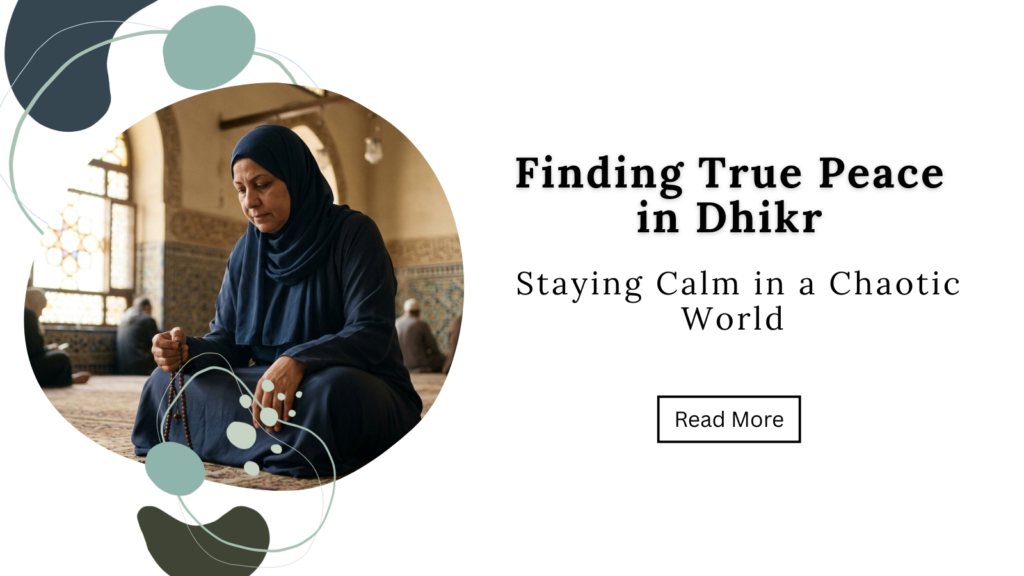
Mindful Dua and Dhikr
Regular remembrance of Allah reduces anxiety and strengthens spiritual calmness.
Rest and Self-Reflection
Islam encourages rest as part of spiritual health. Reflecting on life and faith helps realign priorities.
Maintaining Emotional and Spiritual Balance
Balancing work, family, and worship supports sustainable spiritual growth. These practices support Islam coping burnout stress by combining faith and emotional resilience.
Building Healthy Worship Habits
Healthy spiritual routines include:
- Setting realistic worship goals
- Avoiding comparison with others
- Prioritizing sincerity over quantity
- Maintaining consistent prayer schedules
Burnout Prevention Islam Habits for Long-Term Spiritual Wellness
Developing burnout prevention Islam habits helps Muslims maintain stable and fulfilling faith journeys.
Maintain Moderation in Worship
Islam discourages extreme religious practices that lead to exhaustion.
Strengthen Spiritual Routines Gradually
Gradual spiritual growth helps maintain long-term consistency and reduces pressure.
Develop Emotional Resilience Through Islamic Teachings
Practicing patience, gratitude, and trust in Allah builds strong emotional foundations.
Following a spiritual exhaustion Muslim guide includes:
- Regular Quran reflection
- Balanced lifestyle habits
- Seeking knowledge gradually
- Maintaining supportive community connections
How Sakeena Institute Supports Spiritual and Emotional Healing
Professional Islamic counseling can help individuals experiencing spiritual burnout rebuild faith with guidance and emotional support. Faith-based therapy combines Islamic teachings with evidence-based psychological approaches to promote healing.
Qualified counselors provide:
- Personalized spiritual and emotional guidance
- Safe and confidential support
- Practical coping strategies based on Islamic values
- Holistic mental and spiritual wellness programs
Final Thoughts
Spiritual burnout is not a sign of weak faith. It is often a signal that emotional, mental, or spiritual balance needs restoration. Spiritual burnout in Islam reminds Muslims that faith is a lifelong journey filled with growth, struggle, and renewal.
Islam encourages believers to seek balance, practice compassion toward themselves, and trust Allah’s wisdom. By understanding burnout signs, addressing its causes, and applying healing practices, Muslims can rebuild spiritual strength and rediscover inner peace.
If you or someone you love feels spiritually exhausted, seeking professional Islamic counseling can provide clarity, support, and renewed faith.
Individuals seeking compassionate support can explore services at Sakeena Institute
Frequently Asked Questions
What Are the Early Signs of Spiritual Burnout in Islam?
Early signs include loss of motivation in worship, emotional fatigue, guilt, and difficulty focusing during prayer.
Can Spiritual Burnout Affect Mental Health in Muslims?
Yes. Spiritual burnout can increase stress, anxiety, and emotional exhaustion. Addressing mental health often improves spiritual well-being.
How Can Muslims Rebuild Their Connection With Allah After Burnout?
Gradual worship, sincere dua, Islamic counseling, and self-compassion help rebuild spiritual connection.
Are There Islamic Practices That Help Prevent Spiritual Burnout?
Yes. Consistent worship, balanced lifestyle, Quran reflection, and emotional self-care prevent burnout.
When Should Someone Seek Islamic Counseling for Spiritual Exhaustion?
Individuals should seek counseling when spiritual struggles cause emotional distress, anxiety, or loss of motivation in daily religious practices.