
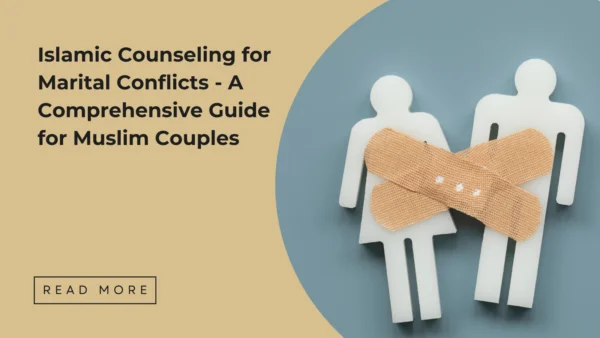
Islamic counseling for marital conflicts offers Muslim couples a structured, compassionate, and spiritually grounded way to repair their relationships. Marriage in Islam is not just a legal contract-it is a sacred covenant built on mercy, trust, and responsibility. When conflict arises, faith-based guidance provides clarity and emotional direction that goes beyond surface-level communication tools.
Unlike conventional marriage counseling, islamic marriage counseling integrates Quranic wisdom, Sunnah guidance, and psychological principles. It emphasizes accountability before Allah, mutual rights, and emotional healing rooted in faith. This approach helps couples move from blame and resentment toward understanding and reconciliation.
Allah describes marriage as a relationship of mawaddah wa rahmah (love and mercy) (Quran 30:21). Islamic counseling helps couples realign with these foundational values while addressing modern marital pressures.
The islamic approach to marital conflict is rooted in justice (adl), patience (sabr), excellence (ihsan), and mercy (rahmah). Conflict itself is not a failure; it is a test of character and faith.
Islam teaches that disagreements should be handled privately, respectfully, and with the intention of reconciliation. The Quran advises:
“If you fear a breach between them, appoint two arbiters, one from his family and one from hers…” (Quran 4:35)
This verse introduces resolving marital disputes Islam through structured mediation. The concepts of Sulh (peaceful reconciliation) and Hakam (appointed arbitrators) provide practical frameworks that resemble modern conflict resolution models.
Healthy communication, emotional regulation, and guided mediation form the backbone of islamic conflict resolution marriage strategies.
Muslim couples counseling principles emphasize:
The Prophet ﷺ said, “The best of you are the best to their wives.” (Tirmidhi)
Modern marital therapy Islam techniques can include cognitive behavioral therapy (CBT), communication restructuring, and attachment-based approaches-implemented within Islamic ethical boundaries. This balance allows couples to benefit from evidence-based psychology without compromising religious values.
Today’s marriages face unique pressures. Islamic marriage counseling guidance addresses both traditional and contemporary struggles with wisdom and realism.
An interracial marriage may face cultural misunderstandings or family resistance. Islam, however, emphasizes piety over ethnicity. Counseling focuses on communication, family boundary-setting, and shared values.
A sexless marriage can create emotional distance and frustration. Islamic teachings recognize intimacy as a mutual right. Counselors address physical, psychological, and relational barriers with compassion-never shame.
A marriage of convenience may begin with practical intentions rather than emotional connection. Counseling helps couples build spiritual and emotional intimacy over time.
Disagreements over money and extended family involvement are common. Islamic counseling reframes these issues around justice, consultation (Shura), and shared accountability.
Many couples ask, can a marriage survive infidelity? Islam acknowledges human weakness but also offers a path to repentance (Tawbah) and restoration.
If sincere repentance occurs, trust rebuilding becomes possible through:
Forgiveness in Islam is virtuous but not forced. Structured counseling ensures healing is intentional, not rushed. Emotional safety must be restored before reconciliation can truly succeed.
Islamic marriage emotional healing involves more than resolving arguments-it focuses on restoring the heart.
Remembrance of Allah (dhikr) reduces anxiety and anger. Couples who pray together often report stronger emotional bonds.
Spiritual connection deepens marital trust. Shared acts of worship cultivate humility and compassion.
Love in Islam is demonstrated through action: service, kindness, and protection. When couples realign with prophetic character, emotional wounds gradually soften.
True islamic marriage emotional healing connects spiritual growth with relational stability.
Muslim marriage counseling online has made faith-based therapy accessible across the globe. Many couples hesitate to seek help due to stigma or privacy concerns. Online services provide:
Structured islamic marriage counseling programs combine therapeutic tools with Islamic guidance. This ensures couples receive both emotional and spiritual support.
Marriage counseling rooted in Islamic psychology allows couples to feel understood without needing to explain their beliefs.
Effective islamic conflict resolution marriage strategies include:
Listen to understand, not to respond. Interrupting escalates conflict.
Major decisions should involve mutual consultation. Islam discourages unilateral control.
Marital issues should not be exposed publicly. Guarding dignity prevents resentment.
When necessary, consult qualified scholars or trained therapists who understand Muslim couples counseling principles.
Resolving marital disputes Islam requires humility, patience, and structured guidance. Conflict becomes an opportunity for growth when handled correctly.
Every marriage experiences seasons of difficulty. Seeking islamic counseling for marital conflicts is not a sign of failure-it is a step toward responsibility and healing.
At Sakeena Institute, couples receive compassionate, confidential support rooted in Quranic wisdom and professional therapeutic methods. Whether you are facing communication breakdown, emotional distance, or betrayal, help is available.
If you or your spouse are struggling, reach out today for faith-based support:
👉 Sakeena Institute
Healing begins with one courageous step.
It is a faith-based therapeutic approach that combines Islamic teachings with professional counseling techniques to resolve marital disputes Islam in a structured and compassionate way.
Islamic marriage counseling integrates Quran and Sunnah guidance, spiritual accountability, and culturally sensitive therapy alongside psychological tools.
Yes. It addresses cultural differences while reinforcing Islamic values of equality, respect, and shared responsibility.
Islam recognizes intimacy as a mutual right. Counseling focuses on understanding emotional, physical, or psychological barriers with compassion.
Muslim marriage counseling online can be highly effective when delivered by qualified professionals using structured programs and Islamic therapeutic frameworks.
We are here to guide you toward healing, peace, and understanding through the wisdom of Islam.
© 2025 Sakeena Institute (Licensed by SPC FZ). All Rights Reserved.
Struggling with your mental health? Book your private consultation with our specialists.