
Losing someone you love is one of the hardest things you can go through. In Islam, we’re taught that while we can’t bring our loved ones back, we can still help them through dua. Making dua for dead person in Islam is not just a tradition; it’s a powerful act of love, mercy, and connection.
Dua, or supplication, is one of the most beautiful parts of our faith. It’s a direct line between us and Allah. And when it comes to those who have passed away, our duas can bring them comfort in the grave, forgiveness, and a higher status in the Hereafter.
That’s why so many Muslims, after someone dies, rush to say, “May Allah forgive him and have mercy on his soul.” These aren’t just words. They carry weight.
In this blog, we will explore how and when to make dua for the dead, why it matters, and what some specific duas you can recite. The aim is to make it easy and relatable for anyone who wants to honour their loved ones in the Islamic way.
Before diving into the importance of dua and specific duas, it’s essential to understand what a dua is. Dua is your conversation with Allah. It can be in Arabic, your native language, or even in your heart, as long as it’s sincere.
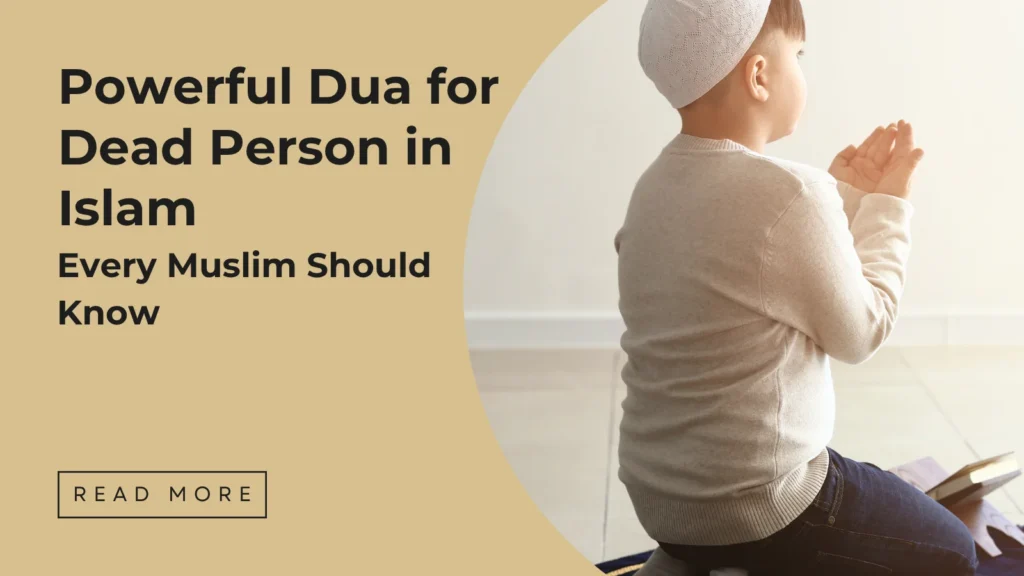
For the living, dua is a way to ask for guidance, help, and forgiveness. But for the dead, it’s even more crucial. After someone dies, their deeds come to a stop. They can no longer pray, fast, or give charity. But there are still a few things that continue to benefit them, one of which is a righteous child (or any Muslim) making dua for them.
That’s why the Prophet Muhammad (peace be upon him) encouraged Muslims to make dua for the deceased. It’s a way of honoring them, staying connected, and helping them in ways no one else can.
Many people ask, “Is there a right time to make dua for someone who has passed away?” The short answer is: anytime. But there are certain times when making dua is especially recommended.
As soon as you hear someone has died, it’s sunnah to say:
“Inna lillahi wa inna ilayhi raji’un”
“To Allah we belong and to Him we shall return.”
It’s a reminder that death is part of life and that returning to Allah is the ultimate journey. Right after this, you can begin making dua for them, asking Allah to forgive their sins and grant them Jannah.
One of the most significant moments to make dua for the dead in Islam is during the funeral prayer. This prayer is mostly a series of duas. In fact, the entire Salat al-Janazah is about asking Allah to forgive the deceased and make their journey easy.
Even if you can’t attend the funeral physically, you can perform an absentee funeral prayer (Salat al-Gha’ib) and still make dua for the deceased.
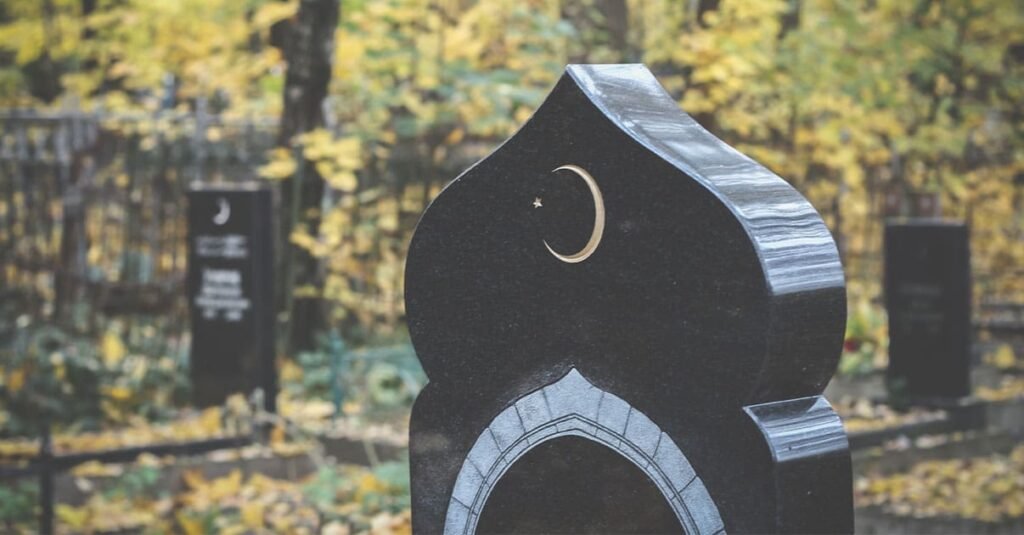
Visiting graves is another opportunity to make dua for your loved ones sincerely. The Prophet used to visit the graveyard and make dua not just for his family but for all the Muslims buried there. You can stand at the grave and say:
“Peace be upon you, O inhabitants of the graves. May Allah forgive us and you.”
This small dua for dead person in Islam can mean a lot, both for the one buried and for your own soul.
There are many authentic duas that the Prophet Muhammad (peace be upon him) used to say for the deceased. Let’s look at some of the most well-known ones. Don’t worry if you don’t know Arabic; the intention is what counts. Still, it’s good to learn the meaning behind the words.
One powerful dua used in the Janazah prayer is:
“O Allah, forgive him, have mercy on him, give him strength and pardon him. Be generous to him and make his grave spacious. Wash him with water, snow, and ice, and cleanse him of sins as a white garment is cleansed of dirt.”
This dua for dead person in Islam covers everything we’d hope for a loved one: forgiveness, mercy, and ease in the grave.
Many of us lose our parents as we grow older, and one of the best gifts we can give them is this dua:
“My Lord, have mercy upon them as they brought me up (when I was) small.”
It’s a simple but heartfelt plea that carries emotional and spiritual weight.
If you’re short on time or not sure what to say, you can always go with:
“Allahummaghfir lahu warhamhu”
“O Allah, forgive him and have mercy on him.”
Or if it’s a woman, you can use the same dua with a bit of alteration:
“Allahummaghfir laha warhamha”
“O Allah, forgive her and have mercy on her.”
These words may be short, but they mean the world. And they fulfill the Islamic requirement of making dua for the dead.
One thing many people wonder is: “Do I always have to sit down formally to make dua for my loved ones?” Not at all. You can include a dua for dead person in Islam in your daily routine.
Whether you’re praying your five daily prayers, visiting their grave, or just thinking of them while cooking their favorite dish, a quick dua from the heart can go a long way.
Some people like to dedicate their charity (sadaqah) to the memory of a loved one, or even read Qur’an and pray that the reward reaches them. These acts, along with sincere duas, are powerful ways to keep their memory alive in a meaningful, spiritual way.
In the end, making dua for dead person in Islam isn’t just about following a ritual. It’s about love, hope, and faith. It’s about saying, “Even though you’re gone from this world, I haven’t forgotten you.” It’s about connecting with Allah and asking Him to be kind, merciful, and generous to the ones we love.
The beauty of Islam is that even in loss, we are given tools to cope and to help. Dua is one of the strongest of those tools. Whether you know the long duas by heart or just whisper something simple and sincere, it counts. And it can truly make a difference.
The best time is immediately after death, during Janazah, and when visiting graves. But there’s no expiry sincere dua at any moment counts, whether it’s hours, days, or even long after someone has passed away.
Charity or Sadqa for the dead, Quran recitation on their behalf, and sincere dua all help the deceased, supported by countless hadiths, including one stating that a righteous child’s dua continues to benefit deceased parents.